
City of plague:A new Yorker’s pandemic chronicle
Chapter 1 Did You Wear a Mask?
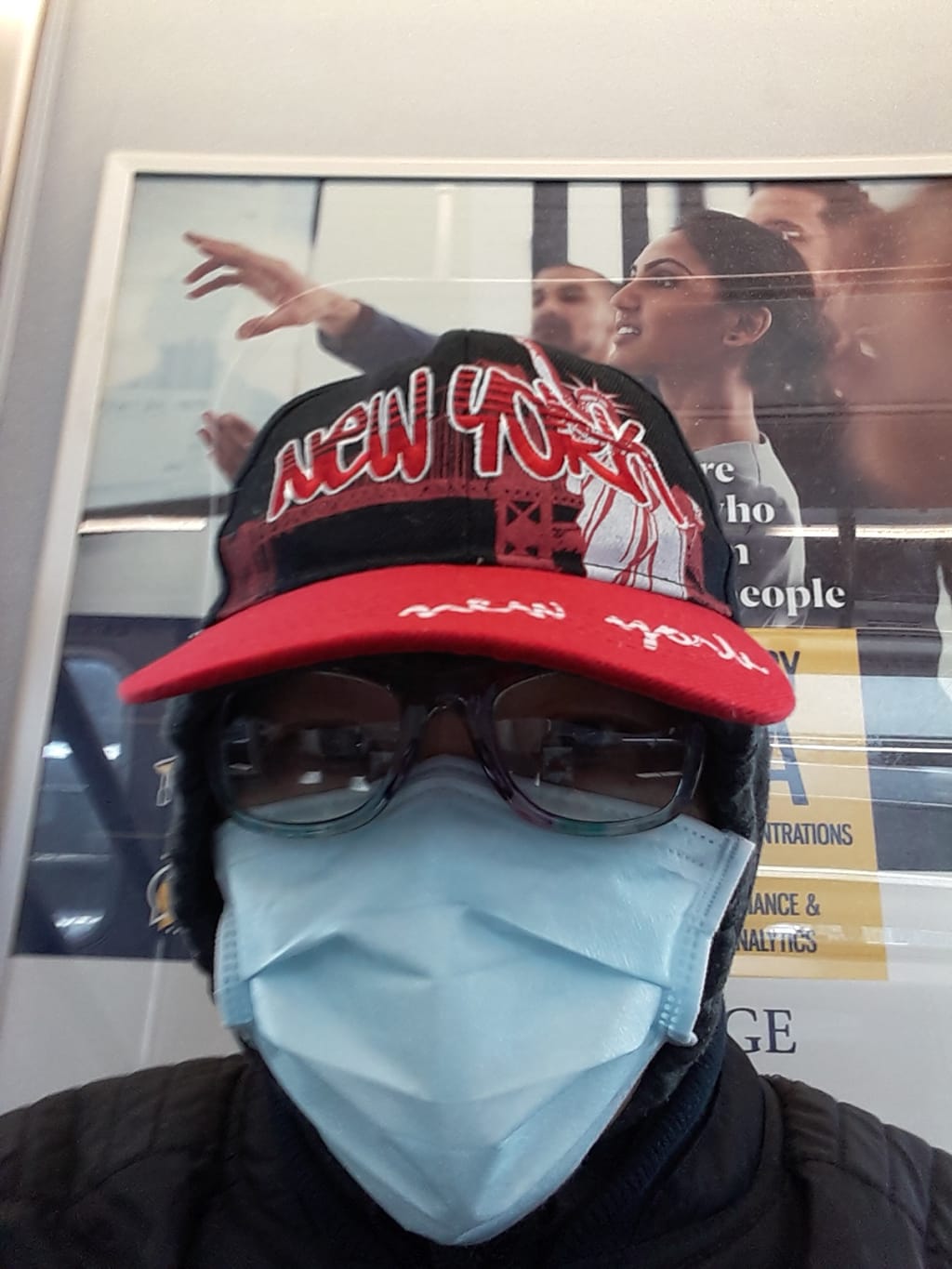
When the Year of Gengzi began, the COVID-19 pandemic erupted in Wuhan, China, like a flood unleashed from nowhere. It surged forward like a ferocious beast, unstoppable, with no miracle cure to restrain it. Soon, it spiraled out of control, shocking not only China but the entire world. The dead appeared one after another—ordinary citizens, doctors, officials, even public figures.
Liu Zhiming, the 51-year-old president of Wuhan Wuchang Hospital, collapsed on the front line of the fight against the virus, his death sending waves of disbelief through the country. In Shanghai, film director Chang Kai and his entire family perished in succession, wiped out by the virus in a tragedy too cruel to comprehend.
Far away in New York, I could not sleep. My mind wandered endlessly back to China. I worried constantly about the outbreak. When I learned that medical workers were desperately short of protective masks and suits, I rushed anxiously to pharmacies and medical supply stores, buying whatever N95 masks and protective gear I could find. I packed them and shipped them urgently to hospitals in Wuhan, hoping that proper protection would shield those brave doctors and nurses standing between life and death.
Fortunately, the outbreak in China was brought under control faster than I had feared. I no longer lived in constant dread for my family and countrymen. I finally allowed myself to breathe again.
But when I heard that the death toll in Wuhan had reached three thousand, grief struck me like a blow. I wept openly. For days, I could not sleep.
Before my sorrow had even faded, the virus had already spread to my side of the world.
The government here was unprepared. Isolation and contact tracing were slow and inadequate. The virus moved freely through the population, invisible and unrestrained. New York City quickly became the epicenter of the outbreak in the United States—and soon, the epicenter of the world.
Fear entered my life like smoke.
Living and working in New York now felt like stepping into a tiger’s den, like standing in the middle of a battlefield filled with invisible enemies. I was no longer observing the pandemic from afar. I was inside it.
My family in China, who had just survived their own fear, began worrying about me.
“Do you have masks to use?” my niece Liping asked me one day on WeChat. Her voice carried warmth and concern that crossed oceans.
I thanked her and replied casually, trying to sound calm. “I don’t really need masks here. Washing hands and keeping six feet apart is enough.”
She raised her voice immediately. “Don’t you take the subway to work?”
“Yes,” I said. “But so what?”
“The subway is crowded,” she replied urgently. “People stand close together. Your risk of infection is high. You must wear a mask.”
I argued instinctively, repeating what I had heard from official guidance. “I’m not sick. Only healthcare workers and sick people need masks.”
She sighed. “Masks are meant to prevent problems before they happen. They protect you and protect others. If you wait until you’re sick, it’s too late.”
“It’s not too late,” I insisted. “If you wear a mask after getting sick, you prevent infecting others. That’s what the CDC says.”
“Uncle,” she said patiently, “this virus is different. Even people without symptoms can spread it. Wearing a mask protects everyone. It stops the virus from spreading through the community.”
I did not want to argue further. She had lived through the outbreak in China. Her knowledge came from experience, not theory.
“Alright,” I said finally. “For my health, and for the family, I’ll wear a mask.”
The next morning, I put on a disposable surgical mask before leaving home. It was one I usually used at work to protect against dust.
As I walked toward the subway station, I reassured myself. Masks were inexpensive. They harmed no one. They protected both myself and others.
The mask felt uncomfortable. My breathing was restricted. My face felt trapped. But I reminded myself that discomfort was a small price for safety.
When I entered the subway car and stood near the door, something strange happened.
The passenger beside me noticed my mask. His expression changed. His eyebrows tightened. He looked at me as if I were dangerous.
Slowly, he moved away.
Others followed.
People turned their heads. They shifted their bodies. They created distance.
It was as if I had become the virus itself.
Embarrassment flooded my body. My face burned. My heart raced.
I had worn the mask to protect myself and others—but now it marked me as diseased.
Ashamed, I pulled off the mask and stuffed it into my pocket.
Almost immediately, the invisible barrier disappeared. New passengers stood near me again, unafraid.
In that moment, I understood how deeply culture shaped behavior. In China, wearing a mask was responsibility. Here, it was suspicion.
That evening, I complained to my niece.
“Your advice embarrassed me,” I told her. “People looked at me like I was sick.”
She responded sharply. “You’ll regret not wearing it.”
Then she logged off.
An hour later, she returned.
“Uncle,” she said gently, “if wearing a mask feels awkward, use a scarf. Wrap it around your face. It will still block droplets.”
I laughed in relief. “That’s brilliant.”
The next day, I wrapped a scarf around my mouth and nose. It felt natural in the cold weather. No one stared.
A week later, more Asian passengers began wearing masks. I felt encouraged.
Then one day, the President publicly said he did not oppose mask-wearing. His wife, Melania, urged Americans to cover their faces in public—even with scarves.
Suddenly, everything changed.
I wore my mask openly, without shame.
I even wore two masks—one cloth mask inside, one disposable mask outside—for extra protection.
Soon, New York entered lockdown.
The city fell silent.
Manhattan’s streets, once overflowing with life, became empty. Shops closed. Restaurants shut their doors. Trash piled up in abandoned corners. Wind carried paper debris across lifeless sidewalks.
It felt like walking through a deserted city.
Yet I still had to work.
Each morning, I boarded the subway wearing two masks. I sat carefully on stained seats, watching everything around me. Homeless men slept across multiple seats, their clothes worn, their bodies unprotected. Most wore no masks.
Fear became constant.
One day, after exiting the subway, a tall Black man ran toward me and blocked my path.
My heart stopped.
He was large, strong. If he attacked me, I would not stand a chance.
“What do you want?” I asked cautiously.
He smiled.
“My friend,” he said, “can you swipe your card for me?”
He had no money for the subway.
I hesitated. My MetroCard was not unlimited. Each swipe cost $2.75.
“My friend,” he said again, “I lost my job. Please help.”
Millions were unemployed now. The economic collapse was everywhere.
My hesitation dissolved.
“Okay,” I said.
I walked back to the turnstile and swiped my card. He entered and turned back.
“Thank you,” he said.
I nodded silently, careful not to speak too much. He wore no mask.
Then he asked another question.
“My friend… can you give me a mask?”
I froze.
My masks were already worn, reused too many times. I barely had enough for myself.
“I’m sorry,” I said quietly. “I don’t have an extra one.”
I turned and walked away.
Because tomorrow, I would still need my mask to survive.
And in those days, survival was no longer something you could take for granted.
I Wore a Mask Before America Did
When my niece in China asked me, “Uncle, are you wearing a mask?”
I almost laughed.
It was early 2020.
New York was still open.
The subway was still crowded.
People were still shaking hands.
And I was still naive.
The pandemic began for me not in New York, but in Wuhan.
From thousands of miles away, I watched the virus tear through the city like a flood with no shoreline. Hospitals overflowed. Ambulances screamed through empty streets. Doctors worked without rest. Protective gear ran out. The news grew darker by the hour.
When Dr. Liu Zhiming, the 51-year-old director of Wuchang Hospital, died after contracting the virus on the front lines, I felt something inside me collapse. When filmmaker Chang Kai’s entire family was reportedly wiped out by COVID, it stopped feeling like news. It felt like war.
I live in New York, but that winter, my heart was in China.
I couldn’t sleep. I refreshed my phone every hour. I imagined hospital corridors filled with coughing patients. I imagined my relatives behind closed doors, listening for symptoms in their own breathing.
When I learned that hospitals were short on N95 masks and protective suits, I rushed to pharmacies across the city. I bought whatever I could find — masks, gloves, protective clothing — and mailed them to Wuhan as fast as possible.
It felt urgent.
It felt necessary.
It felt like the least I could do.
When China finally brought the outbreak under control, I allowed myself to breathe again. But when the official death toll in Wuhan climbed past three thousand, I cried openly in my apartment in New York. For days, I could not sleep.
I thought the worst was over.
I was wrong.
The virus did not disappear.
It traveled.
And before I understood what was happening, it was here.
New York City became the epicenter of the United States. Then the epicenter of the world.
Sirens replaced traffic noise. Ambulances became background music. The news spoke in numbers — cases, hospitalizations, deaths — numbers that rose like temperature.
Suddenly, I was no longer worrying about China.
My family in China was worrying about me.
“Uncle, do you have masks?” my niece Liping asked me on WeChat.
Her voice carried the calm urgency of someone who had already survived something I had not yet faced.
“I don’t really need one,” I replied lightly. “We just wash our hands and keep six feet apart.”
She did not laugh.
“Don’t you take the subway to work?”
“Yes,” I said. “But so what?”
“So what?” she repeated. “The subway is crowded. You’re surrounded by strangers. You have to wear a mask.”
I repeated what I had heard from American officials at the time. “Only sick people and healthcare workers need masks.”
She sighed.
“Uncle, you don’t understand. This virus spreads before symptoms appear. Masks aren’t for when you’re sick. They’re for before you know.”
Her words unsettled me. She had lived through lockdown in China. I was still living in denial in New York.
“Fine,” I said at last. “I’ll wear one.”
The next morning, I put on a disposable surgical mask — the kind I normally used for dusty work — and walked to the subway station.
I felt self-conscious immediately.
The mask made breathing slightly uncomfortable. My voice sounded muffled inside it. But I reminded myself: this is about protection. This is about responsibility.
When I stepped into the subway car, I felt eyes on me.
The man beside me stared. His expression tightened. Slowly, he shifted away.
Then another passenger moved.
And another.
Within seconds, a small empty circle formed around me.
As if I were contagious.
As if I were the virus.
Heat rushed to my face. My heart pounded. I had worn the mask to protect others — but in that moment, it marked me as dangerous.
Embarrassed, I pulled it off and shoved it into my pocket.
Almost instantly, the invisible barrier dissolved. New passengers stood close again. No one looked at me twice.
In that moment, I understood something painful: public health advice may be scientific, but social acceptance is cultural.
In China, masks meant responsibility.
In New York, they meant suspicion.
That evening, I messaged my niece and complained.
“You embarrassed me,” I told her. “People treated me like I was sick.”
“You’ll regret not wearing it,” she replied sharply — and logged off.
An hour later, she returned with a compromise.
“If wearing a mask feels awkward, use a scarf,” she suggested. “Wrap it around your face. It still blocks droplets.”
The idea was clever. Winter gave me cover.
The next day, I wrapped a scarf around my mouth and nose. No one stared. No one recoiled.
A week later, more Asian passengers began wearing masks. Slowly, the sight became less unusual.
Then one day, the President announced that he did not oppose face coverings in public. The First Lady encouraged Americans to wear masks or scarves.
Overnight, the atmosphere shifted.
I stopped hiding behind a scarf.
I wore my mask openly.
Eventually, I wore two — a washable cloth mask underneath and a disposable one on top.
Not out of panic.
Out of clarity.
Then New York shut down.
Manhattan emptied. Streets that once pulsed with taxis and pedestrians fell silent. Storefronts closed. Chinatown became ghostly — metal gates pulled down, garbage bags piled high outside shuttered businesses.
The city that never sleeps looked like it had been anesthetized.
But I still had to work.
Every morning, I boarded the subway wearing two masks. The cars were less crowded now, but still unpredictable. Homeless men stretched across entire rows of seats, riding back and forth for warmth. Many wore no masks.
Fear changed shape daily.
One afternoon, after exiting the station, a tall Black man suddenly blocked my path.
My heart jolted.
He was large, muscular. If conflict erupted, I would lose.
“What is it?” I asked carefully.
He smiled.
“My friend, can you swipe your card for me?”
He had no money for the fare.
I hesitated. My MetroCard was not unlimited. Each swipe cost $2.75. Even small expenses felt heavier in uncertain times.
“My friend,” he added, “I lost my job.”
Unemployment had exploded across America. Millions were suddenly without income.
I turned around and swiped my card for him.
“Thank you,” he said as he passed through the turnstile.
Then he paused.
“My friend… do you have an extra mask?”
I froze.
I was wearing two masks, yes. But they were reused, worn thin from washing. Supplies were still scarce. I barely had enough for myself.
“I’m sorry,” I said quietly. “I don’t have an extra one.”
I walked away quickly.
Because tomorrow, I would still need mine.
And in those days, survival felt fragile.
Looking back now, I realize the mask was never just a mask.
It was fear.
It was culture.
It was politics.
It was identity.
It separated strangers.
It connected families across oceans.
It exposed the gap between East and West.
I wore a mask before America did.
I took it off in shame.
Then I wore it again in conviction.
And somewhere between those moments, I understood something deeper:
A mask protects your body.
But courage protects your conscience.
About the Creator
Peter
Hello, these collection of articles and passages are about weight loss and dieting tips. Hope you will enjoy these collections of dieting and weight loss articles and tips! Have fun reading!!! Thank you.
Silken Chains
Silhouettes of the female form were given flesh and bone. Silken skin glistened under the spotlight. Dry ice rose around our Icons as they danced atop their podiums in the Square. Heralded for their beauty, their movements were slight, powerful, and sensual.
By Paul Stewart7 days ago in Fiction
The rule everyone knows
I recently rewatched The Truman Show yesterday amidst all the chaos of the crazed media story that Jim Carrey was cloned. I give that rumor no credence to my own sensibilities, however, when I saw him in that French award ceremony, I had to do a double take. It wasn’t so much that I actually believed he was cloned or anything crazy like that, but, I had a weird gut reaction that made me think, “Someone or something got to him,” because he just doesn’t act like that in most celebrity or movie award ceremonies. You all saw must have seen those interviews where he made fun of Hollywood, being evil that is made to feel real but is really mocking us all. All that Illuminati talk. I was like, “That boy is going to get himself killed.”
By Melissa Ingoldsby7 days ago in Fiction


Comments (2)
Thank you for commenting and supporting!
We lived through very intense moments. The hardest part is worrying about the people close to you. I liked your flowing style of writing, which is very direct.