
Bunker Stories: Fear, Survival, and Life Beneath the Earth
A bunker is more than concrete and steel buried beneath the ground. It is a place where fear, hope, and survival meet in silence.

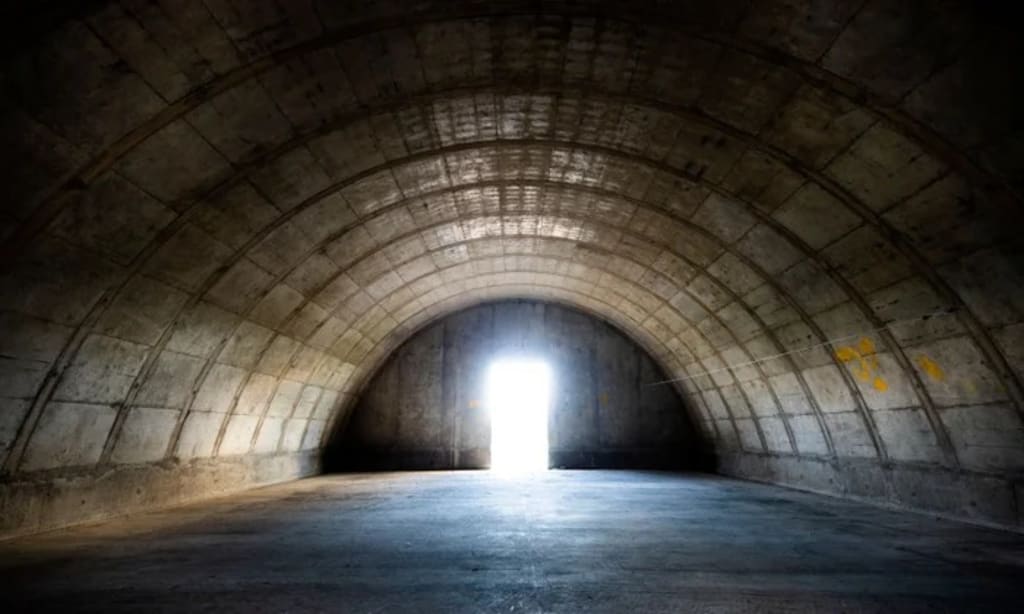
A bunker is more than concrete and steel buried beneath the ground. It is a place where fear, hope, and survival meet in silence. Throughout history, people have built bunkers for many reasons. Some prepared for war. Others feared disasters that could destroy cities and homes in minutes. Inside these underground spaces, life becomes different. Time moves slowly. The outside world feels distant and uncertain. Yet the idea of a bunker has always carried a strange mix of dread and comfort. It represents the worst possibilities humanity imagines, but also the determination to survive them. Understanding why people build bunkers and how they live inside them reveals something deep about human nature and the instinct to endure.
What a Bunker Really Is
A bunker is a fortified shelter designed to protect people from danger. Most bunkers are built underground or partially buried to shield occupants from explosions, radiation, storms, or attacks.The basic idea is simple. Thick walls and strong materials create a barrier between people and whatever threat exists outside. Concrete, steel, and earth work together to absorb shock and block harmful elements.But a bunker is more than just a strong room. It must also support life for long periods. That means ventilation systems, water storage, food supplies, and often communication equipment.Some bunkers are small spaces built by families. Others are enormous complexes designed to house hundreds or even thousands of people.Despite their differences, all bunkers share the same purpose: protection when the outside world becomes unsafe.
The Origins of Bunkers in Wartime
The history of the bunker is closely tied to war. During the early twentieth century, military forces began building underground shelters to protect soldiers from artillery fire.One of the most famous periods for bunker construction came during World War II. Cities and military bases across Europe built networks of reinforced shelters.Air raids were common during the war. Bombs could destroy buildings in seconds. For civilians, bunkers became the only safe place during attacks.Families rushed underground when sirens sounded. In crowded shelters, strangers sat side by side while explosions shook the ground above them.For soldiers, bunkers served another purpose. They were defensive positions. Troops could observe the battlefield and fire weapons while remaining protected.
Cold War Fear and the Rise of Civilian Bunkers
After World War II, a new fear began to grow around the world: nuclear war.
During the Cold War, tensions between powerful nations created anxiety that a nuclear attack could happen at any time. Governments and citizens began preparing for the possibility of total destruction.In the United States and parts of Europe, civil defense programs encouraged families to build bunkers at home. People dug shelters in backyards and stocked them with canned food, water, and medical supplies.Some schools and public buildings also created underground spaces where communities could gather during emergencies.Living with the threat of nuclear war changed how people thought about safety. A bunker was no longer just a military structure. It became part of everyday survival planning.
Life Inside a Bunker
Life inside a bunker can feel strange and isolating. Without sunlight, natural sounds, or fresh air from outside, people rely entirely on the systems within the shelter.
Lighting is artificial. Air circulates through filtered ventilation systems designed to remove harmful particles. Food often comes from stored supplies that must last weeks or months.
Space is usually limited. Beds may be stacked close together. Privacy becomes rare.
Psychologically, the experience can be difficult. Humans are naturally drawn to open spaces and sunlight. Being confined underground for long periods can lead to anxiety or restlessness.
However, the purpose of a bunker is survival. When danger exists outside, the discomfort inside may feel like a small price to pay.
How Modern Bunkers Are Built
Modern bunker design focuses on durability and self-sufficiency.
Engineers use reinforced concrete walls that can withstand intense pressure. Many bunkers also include steel doors designed to seal tightly against outside contamination.Ventilation systems are one of the most critical features. These systems filter air and prevent harmful substances from entering the shelter.Water storage tanks ensure a stable supply for drinking and sanitation. Food storage areas contain supplies that can last months.Some advanced bunkers include power generators, communication equipment, and even small medical rooms.
While the structure may look simple from the outside, the technology inside can be surprisingly complex.
Personal Survival Bunkers
In recent years, personal survival bunkers have gained renewed attention.
Some people worry about natural disasters, political instability, or other global risks. As a result, they choose to build private bunkers for protection.These bunkers range from basic underground rooms to elaborate shelters with living quarters, kitchens, and entertainment areas.For example, some modern bunkers include bunk beds, water purification systems, and food supplies designed to last for months. Others include solar power backups or satellite communication equipment.Although these shelters may seem extreme, the motivation behind them is often simple: preparedness.
Government and Military Bunkers
Governments have also built large bunkers to protect leadership and maintain control during emergencies.These facilities are often hidden deep underground and designed to operate independently for long periods.Inside, they may include command centers, communication systems, and living areas for staff. In times of crisis, leaders could theoretically continue governing from these protected spaces.Some military bunkers also store equipment, weapons, or vehicles.These facilities remain secret in many countries, but their existence reflects the serious planning that governments undertake to prepare for worst-case scenarios.
Famous Bunkers in History
Several bunkers have become famous because of the events that happened inside them.
During World War II, underground command bunkers served as headquarters for military leaders. These spaces witnessed critical decisions that shaped the course of history.Other bunkers gained attention during the Cold War. Massive underground complexes were built to protect governments from nuclear attack.In more recent times, abandoned bunkers have sometimes become museums or historical sites. Visitors can walk through narrow corridors and imagine what life must have felt like during moments of global tension.These places remind us that bunkers are not just structures. They are silent witnesses to fear, conflict, and survival.
Psychological Effects of Living Underground
Spending time in a bunker affects the human mind in ways people often underestimate.
Without sunlight, the body’s natural rhythms can become confused. Sleep patterns may change. People might feel tired or disoriented.
The lack of open space can also create stress. Small rooms and close quarters sometimes lead to tension between occupants.In extreme situations, people may experience anxiety or feelings of isolation.For this reason, modern bunker designers often include small comforts such as adjustable lighting, personal sleeping areas, and entertainment options.These features cannot replace the outside world, but they can make life underground more manageable.
Bunkers and Natural Disasters
While many people associate bunkers with war, they can also provide protection from natural disasters.Tornado shelters in parts of the United States are essentially small bunkers designed to withstand powerful storms.In earthquake-prone areas, reinforced underground shelters may provide protection from collapsing structures.Flood-resistant bunkers are also designed in some regions to protect against rising water levels.These shelters show that bunkers are not only about conflict. They can also help people survive extreme weather and environmental threats.
The Growing Interest in Survival Preparedness
In recent years, interest in survival preparedness has grown.
Economic uncertainty, climate concerns, and global tensions have made some people think more seriously about emergency planning.As a result, the idea of building a bunker has gained attention again.Some families create simple shelters with basic supplies. Others invest in professionally designed underground spaces with modern systems.For many people, the bunker represents peace of mind. Even if it is never used, knowing it exists can reduce fear about the unknown.
Bunkers in Popular Culture
Movies, television shows, and books often portray bunkers as mysterious places.
Stories about nuclear war, secret government projects, or hidden survival communities frequently include underground shelters.These fictional depictions sometimes exaggerate reality. In films, bunkers may contain endless corridors or futuristic technology.
In truth, most bunkers are practical spaces focused on survival rather than comfort or adventure.Still, these stories keep the idea of the bunker alive in the public imagination.
The Ethical Questions Around Survival
The concept of a bunker also raises deeper questions.
If a disaster occurs, who gets to survive inside these shelters? Is it fair that some people have access to protection while others do not?These questions appear in both real-world discussions and fictional stories.Some argue that community shelters should exist so everyone has a chance to survive. Others believe individuals have the right to prepare privately.There are no simple answers. But the debate shows how survival planning can touch on moral and social issues.
The Future of Bunker Design
As technology advances, bunker design continues to evolve.
New materials make structures stronger and more resistant to damage. Air filtration systems improve safety during contamination events.Some designers also explore underground communities where people could live comfortably for extended periods.These ideas may sound unusual, but they reflect humanity’s ongoing desire to prepare for uncertain futures.
Whether used for short emergencies or long-term survival, the bunker remains a symbol of planning and resilience.
Conclusion
A bunker is not just an underground shelter. It represents humanity’s instinct to survive in the face of danger.From wartime shelters to modern survival bunkers, these spaces have protected people during moments of fear and uncertainty. Inside their thick walls, individuals and families wait for the outside world to become safe again.Life underground is rarely comfortable. It requires patience, discipline, and emotional strength. Yet the existence of bunkers shows something powerful about human nature.Even when facing the possibility of disaster, people continue to prepare, protect, and endure.In the end, the bunker is both a physical structure and a symbol of hope the belief that no matter how difficult the world becomes, survival is always worth fighting for.
About the Creator
Muqadas khan
Hi! Welcome to my Vocal page. I’ll be sharing fresh articles every day covering stories, ideas, and a bit of inspiration to brighten your feed. Thanks for reading and supporting daily writing! 📖💫
Keep reading
More stories from Muqadas khan and writers in History and other communities.
Reed Blankenship: The Quiet Journey From Underdog to NFL Starter
Some football careers begin with national attention and five-star rankings. Others begin quietly, far away from the spotlight. The story of Reed Blankenship belongs to the second path. He was not the most famous recruit. He did not enter college with headlines or huge expectations. Instead, his journey was built on patience, discipline, and years of steady work that few people noticed. Today, fans who watch Reed Blankenship on an NFL field see confidence, intelligence, and determination in every play. But those moments are the result of a long road filled with doubts, small opportunities, and relentless effort. His rise shows that success in football is not always about early hype. Sometimes it comes from persistence, preparation, and the courage to keep chasing a dream.
By Muqadas khan3 days ago in Humans
A 4,400-Year-Old Priestess Tomb Discovered in Egypt
Archaeologists in Egypt have uncovered the remarkable tomb of a priestess that dates back approximately 4,400 years, offering new insight into religion, culture, and daily life during the height of the ancient Egyptian civilization. The discovery was made near the famous pyramids on the Giza Plateau, one of the most important archaeological areas in the world. Experts believe the tomb belonged to a high-ranking priestess named Hetpet, who lived during Egypt’s Fifth Dynasty, around 2400 BC. 
By Irshad Abbasi 4 days ago in History
Lycan Lore
As the students of my 10am mythology class take their seats, I decide to steer the day's curriculum away from Greek and dive into a Western European discourse on the misaligned beliefs of the Werewolf. A tale of truth or fiction. No one really knows.
By Lamar Wigginsabout 24 hours ago in Fiction



Comments
There are no comments for this story
Be the first to respond and start the conversation.