
Stranded travellers charter private jets to return to Europe
Airspace closures and flight cancellations push stranded travellers to costly private jet evacuations. Wealthy tourists scramble to escape Middle East travel chaos via private charters. Chartered jets become lifeline for travellers stuck abroad amid Iran-linked conflict. Stranded passengers pay tens of thousands to return to Europe as commercial flights stall. Travel disruption forces urgent private flights for those unable to wait for rescheduled flights.


In the wake of widespread flight cancellations and airspace closures triggered by the 2026 war involving Iran, a growing number of travellers stranded across the Middle East and Asia have resorted to chartering private jets in a desperate bid to return to Europe. As conventional commercial services remain disrupted, wealthy tourists and expatriates are spending tens of thousands of dollars on private evacuation flights to reach home.
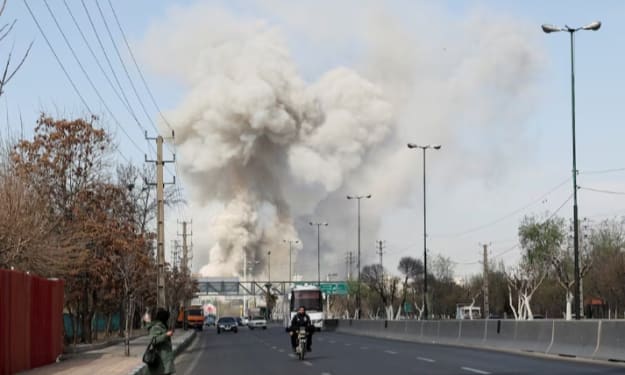
The conflict that erupted in late February after coordinated U.S. and Israeli strikes on Iranian facilities has reverberated through global aviation, closing airspace over key hubs such as the United Arab Emirates, Qatar and other Gulf states. With missiles and drones continuing to fly across the region, commercial airlines have suspended or delayed most flights, leaving travellers stuck far from home for days — in some cases more than two weeks.
Against this backdrop of flight chaos, some travellers with the financial means to do so have turned to private jets as the only viable option to escape. Reports indicate that private flights out of the Gulf region have commanded prices of up to $200,000 or more, depending on the distance and aircraft involved.
From Muscat and Dubai to Istanbul and other regional airports, charter operators have been booked solid as foreign nationals seek alternatives to congested and largely non‑operational commercial terminals. In some cases, travellers flying privately have described complex routing and urgent departures, often with short notice, as they scramble to secure seats on available jets.
This trend reflects both the severity of the current travel disruption and the limited options available to many. Major carriers such as Emirates, Qatar Airways and Etihad have largely pulled back services amid safety concerns and government restrictions, while repatriation and rescue flights organized by national authorities are either limited or prioritized for citizens by existing bookings.
For those without access to private jets, the situation remains frustrating and uncertain. Tens of thousands of travellers, including families, students and holidaymakers, are still waiting for available commercial flights or governmental evacuation options. Some countries have reported hundreds of thousands of nationals stranded across the region, prompting diplomatic efforts and government‑organized repatriations to assist.
The rush towards private jets highlights stark inequalities in how travellers are able to cope with the disruption. While affluent individuals can effectively “buy” their way out of the crisis, others remain stuck in congested airports or facing long delays on the ground. Social media posts from stranded passengers have detailed long queues, lack of available seats on repatriation flights, and mounting hotel bills as they wait for a way home.
Muscat International Airport in Oman has seen particularly high demand for private flights, with charter operations accounting for a significant share of departures in recent days. To manage congestion, Muscat authorities have reportedly restricted private jet operations to prioritize scheduled commercial and government repatriation flights, a sign of how intense the demand has become.
Private jet companies and brokers have been inundated with requests since the onset of the travel disruption. Operators reported that many clients expressed urgency and uncertainty about securing passage, sometimes booking multiple charter options simultaneously in hopes of finding a viable route home. For some passengers, these flights involve additional technical stops or routing to secondary hubs before eventually reaching Europe.
Beyond individual travellers, the rise in private charters has also placed logistical pressure on smaller regional airports that are acting as alternative departure points. Flight planning becomes increasingly complex when coordinating clearances in contested or partially closed airspace, and pilots have had to navigate amid shifting safety advisories and military activity alerts.
Governments and airline authorities have continued to work on reopening certain air corridors and resuming more commercial services where safe, but progress has been uneven. Limited repatriation routes, such as flights from Muscat to London operated by British Airways for ticket holders, offer a lifeline for some, but demand far outstrips supply.
Morningstar, Inc.
For now, the private jet phenomenon underscores the depth of disruption affecting global travel. With geopolitical tensions showing no immediate signs of abating, those with wealth are choosing to invest heavily in their return journeys, highlighting how global crises can quickly reshape travel norms — but also how access to rapid alternatives remains sharply divided by economic means.
About the Creator
Fiaz Ahmed
I am Fiaz Ahmed. I am a passionate writer. I love covering trending topics and breaking news. With a sharp eye for what’s happening around the world, and crafts timely and engaging stories that keep readers informed and updated.
Keep reading
More stories from Fiaz Ahmed and writers in The Swamp and other communities.
U.S. Refueling Plane Crashes in Iraq, Military Says
A U.S. military KC‑135 Stratotanker refueling aircraft crashed in western Iraq on March 12, 2026, the U.S. Central Command (CENTCOM) confirmed, prompting urgent rescue operations as the fate of the crew remains unknown. The incident occurred amid ongoing U.S. military operations linked to the conflict with Iran, with officials stressing that the crash was not the result of hostile fire or friendly fire. The KC‑135, a mainstay of the U.S. Air Force’s aerial refueling fleet for more than six decades, was operating in “friendly airspace” over western Iraq when the mishap occurred. CENTCOM’s initial statement confirmed that two aircraft were involved in the incident — one that went down and a second that was able to land safely despite sustaining damage. Rescue teams, including U.S. military personnel and coalition partners in the region, were deployed quickly to locate the site of the crash and extract any survivors. Officials have not yet provided details on the number of personnel aboard or their condition, citing the developing nature of the situation. The Stratotanker plays a critical support role in extended air operations by refueling combat aircraft mid‑air, enabling missions to cover great distances without returning to base for fuel. Given the operational tempo of U.S. forces during the current Middle East conflict, KC‑135 tankers have been in heavy use supporting fighter jets, bombers, reconnaissance aircraft, and other assets. CENTCOM emphasized that the aircraft’s loss was not caused by hostile action, clarifying that no hostile fire or friendly fire was involved. The circumstances point toward an accident or operational mishap while two tankers were flying in close proximity, though investigators will need time to reconstruct the events leading up to the crash. The identity of the downed tanker, as well as its mission specifics, have not been publicly disclosed. However, multiple U.S. officials familiar with the matter told reporters that the flight was part of a refueling mission supporting American and allied aircraft conducting operations under the banner of Operation Epic Fury, a campaign linked to the broader hostilities involving Iran. Officials noted that the second aircraft involved issued an emergency declaration and later landed safely at an airfield outside Iraq after the mid‑air incident. The relationship between the two tankers during the crash has not been fully explained, and CENTCOM said it would release more information as it becomes available. The current incident marks one of several aviation losses the U.S. military has acknowledged in recent weeks connected to the conflict. Earlier episodes included aircraft damaged during friendly fire incidents or other unforeseen circumstances, though in many cases crew members survived or were successfully recovered. Officials in Washington stressed that the KC‑135’s age and the inherent risks of aerial refueling, a complex and tightly coordinated maneuver, can contribute to accidents even in the absence of enemy engagement. With more than 300 tankers still in service across active duty units and the Air National Guard, the aircraft remains vital to sustained air operations but also faces maintenance and operational challenges given its decades‑old design. As of the latest updates, military search and rescue teams are focusing on locating the crash site in the remote desert region of western Iraq. U.S. officials have said they are coordinating with Iraqi authorities to facilitate access and ensure safety for recovery teams. Family members of the crew were being notified privately as part of standard military protocol prior to any public details regarding casualties. The Pentagon has not released a formal count of personnel aboard the aircraft, but typical KC‑135 missions involve at least five to six crew members, including pilots, navigators, flight engineers, and boom operators tasked with conducting the refueling. President Donald Trump and other senior U.S. defense officials have acknowledged that the conflict involving Iran and allied militias will likely continue to strain American and coalition forces in the region. They have also warned that air and ground operations in hostile environments inherently carry risks to both personnel and equipment. At this stage, no timeline has been provided for when investigators expect to release a preliminary report on the cause of the crash. Military aviation incidents, especially involving mid‑air events, typically involve detailed analysis of flight data recorders, radar tracks, communications logs, and eyewitness accounts. The loss of a tanker aircraft and its potential human toll underscores the broader challenges faced by U.S. forces operating in a high‑tempo conflict environment. As rescue and recovery efforts continue in Iraq, U.S. Central Command pledged to keep the public informed with verified facts and to support the affected families throughout this difficult process.
By Fiaz Ahmed about 3 hours ago in The Swamp
Parallel Protests
I haven't written for quite some time, but I have A LOT of thoughts about yesterday's protest rally against our government's involvement and complicity in America's war on Iran, on the harbourside of my home city Bristol, and I need to put them somewhere. My gorgeous girlfriend is always a loving and listening ear and sharing it all with her will always be a healthy and happy way of processing the mental and emotional weight, but getting it straight in my brain to share means writing it all down in straight lines, so, here we are and thanks for being here.
By Steph Cole10 days ago in The Swamp
Worth the Wait: Puerto Viejo, Costa Rica
Beach bumming in a small Caribbean beach town sounded like a perfect way to end our 6-month trip through Mexico and Central America. Or so we thought. The foul, fishy stench of rotten seaweed hit our nostrils as we stepped from the cramped bus and looked out at a rather depressing, empty, and underwhelming black sand beach. It was pouring with rain, and we had to quickly fish out our ponchos. We thought, this couldn’t be it, could it?
By Sh*t Happens - Lost Girl Travel7 days ago in Wander



Comments
There are no comments for this story
Be the first to respond and start the conversation.