
Trump Team Bashed Europe for a Year. Now He Wants Support in War on Iran
After months of harsh rhetoric toward European allies, Washington now seeks logistical and political backing for its expanding confrontation with Iran.

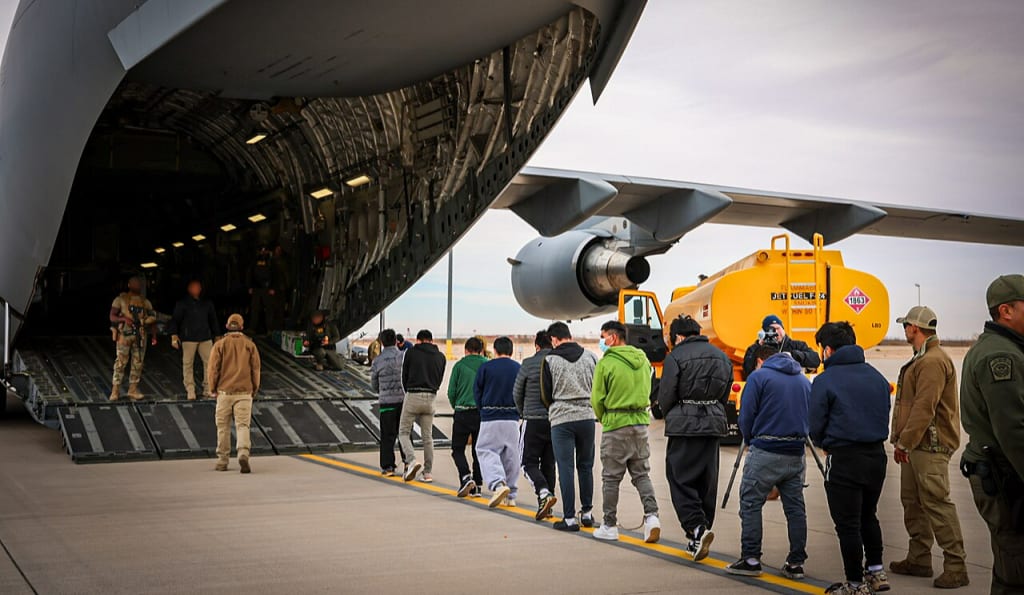
As the conflict between the United States and Iran intensifies, the administration of Donald Trump has found itself facing a diplomatic reality it once dismissed: the importance of European allies. After a year of public criticism and strained relations with governments across Europe, Washington is now seeking logistical and political support from the very partners it frequently portrayed as weak, ungrateful, or strategically irrelevant.
The tension reflects a broader shift in global diplomacy as the war with Iran widens and the United States increasingly depends on international cooperation to sustain military operations across the Middle East.
A Year of Strained Relations
Throughout the past year, Trump and several members of his foreign policy team openly criticized European governments over defense spending, immigration policies, and their approach to global security. European leaders were repeatedly accused by the administration of relying too heavily on American military power while failing to contribute adequately to collective defense.
The rhetoric extended to disagreements over the Middle East. Many European countries had long supported diplomatic engagement with Tehran and had previously defended the 2015 nuclear agreement that the United States withdrew from during Trump’s earlier presidency.
These disagreements deepened political distrust. European officials privately complained that Washington had adopted a confrontational approach not only toward adversaries but also toward traditional allies.
War Changes the Strategic Equation
The eruption of a direct military confrontation with Iran has dramatically changed the diplomatic landscape. The United States is conducting air operations and strategic strikes aimed at weakening Iran’s military infrastructure and limiting its ability to support regional proxy forces.
But despite the military strength of the United States, geography remains an unavoidable constraint. Many of the bases, supply hubs, and airspace corridors required to sustain operations in the Middle East are located in Europe or under European control.
Military analysts note that U.S. aircraft frequently rely on bases in countries such as the United Kingdom, Germany, and Spain to refuel, transport equipment, and deploy personnel quickly toward the Persian Gulf.
Without access to these facilities, the logistical complexity of sustained military operations would increase significantly.
Mixed European Reactions
European governments have responded cautiously. While many leaders share concerns about Iran’s missile programs and regional activities, they remain wary of being drawn into another prolonged conflict in the Middle East.
Some countries have allowed limited cooperation, including defensive coordination and logistical support. Others have refused to provide direct assistance for offensive operations.
The debate reflects political pressures inside Europe, where memories of previous wars in Iraq and Afghanistan still shape public opinion. Leaders fear that openly supporting another military campaign could provoke domestic backlash and raise fears of regional instability.
At the same time, European governments are strengthening their own military presence in the region to protect their citizens, embassies, and energy infrastructure.
Diplomatic Friction Continues
Even as Washington seeks cooperation, tensions remain visible. Trump has continued to criticize European leaders who hesitate to provide full support, accusing some governments of undermining transatlantic unity.
In one recent dispute, Trump publicly rebuked Keir Starmer after Britain initially restricted the use of certain military bases for operations related to the conflict.
The clash highlighted a deeper problem: while Europe remains strategically tied to the United States through alliances such as NATO, political trust between Washington and several European capitals has eroded.
Diplomats say the situation illustrates a broader lesson about alliances. Even powerful nations depend on partnerships when facing large-scale international conflicts.
Europe’s Strategic Dilemma
For European governments, the war presents a difficult balancing act. On one hand, many leaders remain skeptical about the long-term strategy behind the conflict and fear regional escalation that could disrupt energy markets or trigger refugee flows.
On the other hand, maintaining security cooperation with the United States remains a central pillar of European defense policy.
Some analysts say European leaders are attempting to walk a narrow path: offering limited logistical support to maintain the alliance while avoiding deep involvement in combat operations.
The Future of the Transatlantic Alliance
The unfolding crisis may ultimately reshape relations between the United States and Europe. If the conflict expands or becomes prolonged, Washington will likely depend even more heavily on allied infrastructure and diplomatic backing.
At the same time, European leaders may seek greater strategic independence to avoid being drawn into conflicts they did not initiate.
For now, both sides appear locked in a complicated partnership—one defined by shared security interests but strained by political disagreements.
As the war with Iran continues to unfold, the transatlantic relationship is once again being tested, revealing both its vulnerabilities and its enduring importance in global geopolitics.
About the Creator
Fiaz Ahmed
I am Fiaz Ahmed. I am a passionate writer. I love covering trending topics and breaking news. With a sharp eye for what’s happening around the world, and crafts timely and engaging stories that keep readers informed and updated.
Keep reading
More stories from Fiaz Ahmed and writers in The Swamp and other communities.
Massive Fire Ignites Kuwait City Tower as Trump Rebukes Starmer Over Middle East Turmoil
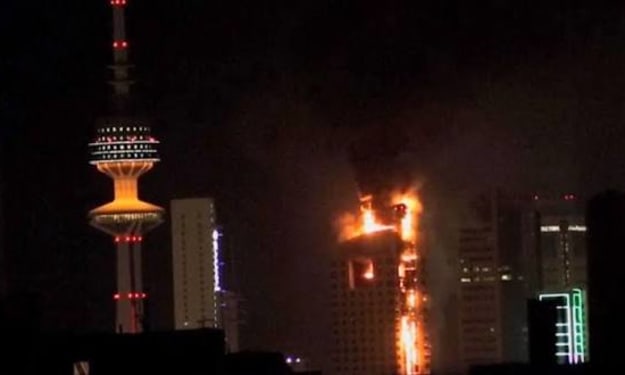
A massive fire that erupted in a prominent high-rise tower in Kuwait City on Tuesday evening sent thick plumes of smoke across the skyline, prompting a major emergency response and intensifying public concern amid the broader geopolitical tensions gripping the Middle East. The blaze, which broke out in a commercial-residential tower in the heart of the capital, was eventually contained by firefighting teams after several hours, though investigations into its cause remain ongoing. Authorities in Kuwait reported that dozens of firefighters and emergency personnel were deployed shortly after flames were seen spreading across the upper floors of the building. Witnesses described scenes of chaos as residents and office workers hurriedly evacuated the tower while emergency crews attempted to control the rapidly growing fire. The Kuwaiti Fire Force said initial reports suggested the blaze may have started in a technical area of the building, though officials stressed that the investigation was still in its early stages. Ambulances and medical teams were stationed nearby as a precaution, and several people were treated for smoke inhalation. Footage circulating on social media showed flames lighting up the night sky and smoke rising above the densely built city center. Police quickly cordoned off nearby streets to allow firefighters access and prevent further danger to the public. While the incident itself appeared unrelated to military activity, the dramatic images quickly drew international attention because they came at a moment of heightened tension across the region. The Middle East has been on edge amid ongoing diplomatic disputes and security concerns involving several countries. In Washington, former U.S. President Donald Trump weighed in on the broader crisis, sharply criticizing the approach taken by British leadership toward the unfolding turmoil. Speaking during a political event, Trump rebuked Keir Starmer, the Prime Minister of the United Kingdom, accusing him of failing to take a sufficiently firm stance in response to rising instability across the Middle East. Trump argued that Western governments must adopt clearer and stronger strategies to address regional security challenges, suggesting that hesitation could embolden hostile actors. His remarks quickly circulated through diplomatic circles and media outlets, adding another layer of political friction to an already complex situation. Officials in London responded cautiously, reiterating that the British government remains committed to diplomatic engagement and cooperation with international partners. Government spokespeople emphasized that Britain continues to support efforts aimed at stabilizing the region through dialogue and coordinated international policy. Meanwhile, Kuwaiti authorities sought to reassure residents that the tower fire was being handled effectively and that there was no immediate threat to surrounding areas. Emergency teams remained on site overnight to monitor the building structure and ensure the flames did not reignite. Urban safety experts noted that fires in high-rise buildings can escalate rapidly due to the vertical structure and ventilation systems, particularly in densely populated districts. In recent years, many Gulf cities have implemented stricter safety codes and inspection systems designed to reduce such risks. The Kuwaiti government has pledged to conduct a full technical review of the building and determine whether safety violations contributed to the blaze. If deficiencies are discovered, officials say new measures could be introduced to strengthen fire safety enforcement across the country’s rapidly expanding urban landscape. Despite the frightening spectacle, early reports suggest that a large-scale tragedy was avoided thanks to the swift response of emergency crews and the orderly evacuation of the building’s occupants. Still, the dramatic incident has served as a reminder of how quickly crises—whether accidental or geopolitical—can capture global attention in an already volatile region. As investigators continue to examine the cause of the Kuwait City fire, regional leaders and international observers remain focused on the broader political tensions shaping the Middle East’s uncertain moment.
By Fiaz Ahmed 5 days ago in The Swamp
A Gathering of Evil Bosses
“I’m the queen of chin jutting while I smooth my hair, attacking, insulting, and deflecting to protect my appointer.” “Oh, please, Blondi, my hair is curled, highlighted, and longer than yours. I feature television commercials telling immigrants that we will give them a free plane ride home, and if they voluntarily turn themselves in, they will be allowed to legally apply for re-entry. It runs everywhere, and I look good in it! You can’t compete because of your blond hair. Mine is nicer, and my lips are prettier than yours.”
By Andrea Corwin 23 days ago in The Swamp



Comments
There are no comments for this story
Be the first to respond and start the conversation.