short story
AI, Surveillance, and Future Control System
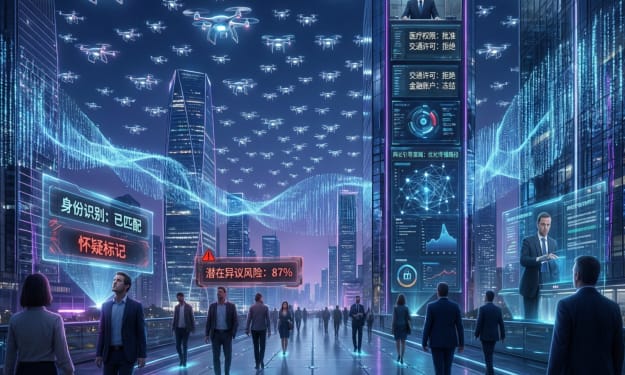
AI, Surveillance, and Future Control Systems Artificial Intelligence and advanced surveillance technologies are rapidly changing how power is exercised in the modern world. What once required armies, police forces, and physical borders can now be done through data, algorithms, and invisible systems. Governments and corporations increasingly rely on digital tools to monitor behavior, predict actions, and influence decisions. This shift is creating a new kind of control—quiet, efficient, and deeply powerful.
By Wings of Time about a month ago in Earth
Death On Death
A petrol sheen glimmered on the water’s surface, where all the ripples of my units passage through the dead swamp had long since dissipated. It was deep as my calves, but like most water it was such a murky, toxic brown I couldn’t see the bottom. It stank more than most, though, like ammonia and chlorine.
By I. D. Reevesabout a month ago in Earth
The Peacock Bass: A Vibrant Predator of Freshwater Waters
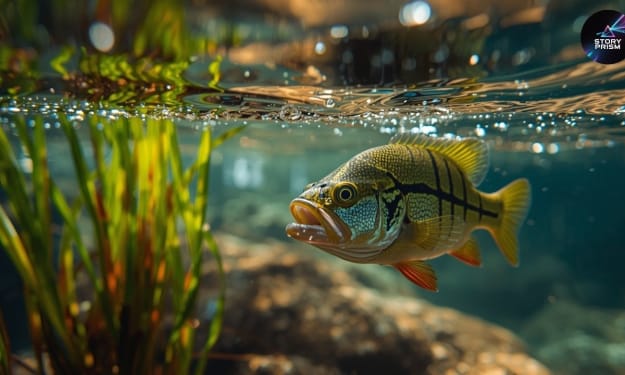
The peacock bass is one of the most striking freshwater fish in the world, renowned for its vivid colors and fierce predatory behavior. Native to South America, especially the Amazon River basin, this fish has become a favorite among anglers and aquatic enthusiasts alike. Its scientific name, Cichla, represents a genus of cichlids that are known not only for their beauty but also for their impressive size and aggressive hunting tactics.
By Story Prismabout a month ago in Earth
Two Miles Beneath the Ocean: A Hidden World Thriving Near a Volcano. AI-Generated.
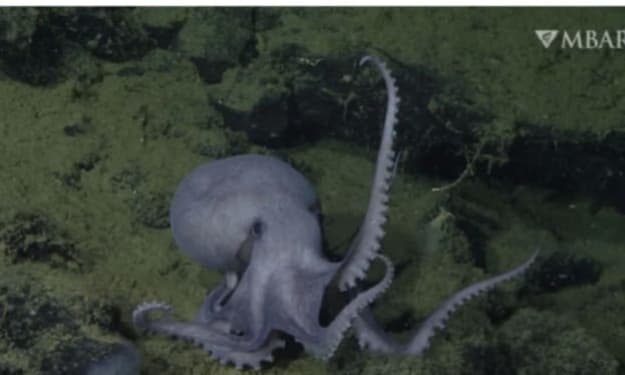
Two miles beneath the surface of the ocean, in complete darkness and under crushing pressure, lies a world so vast and alive that it challenges everything we thought we knew about life on Earth. Hidden close to an active underwater volcano, this extraordinary ecosystem spans an area roughly equal to 233 soccer fields and is home to an estimated 20,000 living creatures.
By Ayesha Lashariabout a month ago in Earth
Frozen Horizons: Inside the 2026 Winter Olympics and the Future of Winter Sport
In the winter of 2026, the world will turn its attention to northern Italy, where snow, stone, and centuries of history will converge under the Olympic rings. The 2026 Winter Olympics, officially known as Milano–Cortina 2026, promise something quietly radical. Not louder stadiums or flashier ceremonies, but a rethinking of what a global sporting event can look like in a fragile era.
By Story Prismabout a month ago in Earth
AFG vs WI, Between Overs and Silence
The first ball hadn’t been bowled yet, and already my chest felt tight. AFG vs WI flickered on the screen, bright jerseys against a washed-out sky. The stadium buzzed softly, like it didn’t want to scare away whatever fragile promise hovered above the pitch. I leaned forward without realizing it. I always do when something still matters.
By Story Prismabout a month ago in Earth
Milano Cortina 2026: When Winter Sports Meet History, Innovation, and the Italian Soul
The 2026 Winter Olympics, officially known as Milano Cortina 2026, are set to redefine what a modern Olympic Games can look like. Scheduled to take place from February 6 to February 22, 2026, these Games will bring the world’s top winter athletes to Italy, blending elite competition with centuries of culture, alpine beauty, and forward-thinking sustainability.
By Story Prismabout a month ago in Earth
San Francisco Shaken Today: Inside the Earthquake That Alarmed the Bay Area
**San Francisco Shaken Today: Inside the Earthquake That Alarmed the Bay Area** San Francisco experienced noticeable seismic activity today, reminding residents once again that the city sits on one of the most active earthquake zones in the world. The shaking was felt across multiple neighborhoods and nearby cities, prompting widespread discussion, concern, and a surge in online searches about what exactly happened, how serious it was, and what it could mean for the future. While earthquakes are not unusual in this region, each new tremor raises important questions about safety, preparedness, and long-term risk.
By America today about a month ago in Earth
The Jinn Fled
This short story was narrated by my grandson Taimoor, who is thirteen years old. He heard it from the family of his friend Zain Ali. Zain Ali’s mother, Nusrat Bibi, loves Taimoor like her own son. She is a pious, well-mannered, kind-hearted, and refined woman.
By Sudais Zakwanabout a month ago in Earth
Broken Penguin
Introduction Penguins are often seen as happy, playful birds living together in cold places. But not all penguins live an easy life. Some are injured, lost, or separated from their families. These are often called broken penguins—not because they are weak, but because they are hurt by nature, climate change, or human actions. Their stories teach us about survival, pain, and hope.
By shaoor afridiabout a month ago in Earth