Books
The Middle East Question: Power, Peace, and Double Standards
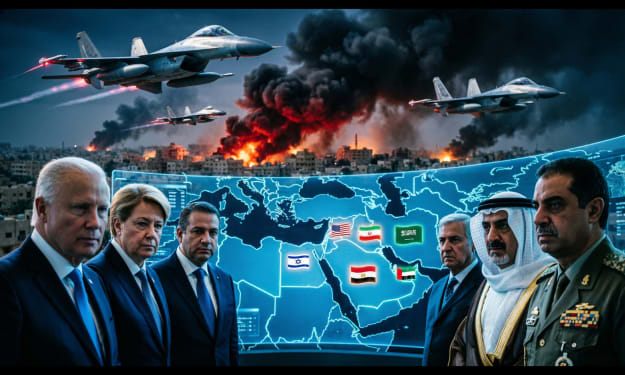
The Middle East Question: Power, Peace, and Double Standards In recent years, the conflict in the Middle East has once again raised serious questions about global politics, justice, and the meaning of peace. Many observers around the world ask the same question: if powerful countries speak so often about peace and human rights, why did they remain silent when violence and suffering were happening earlier?
By Wings of Time 7 days ago in History
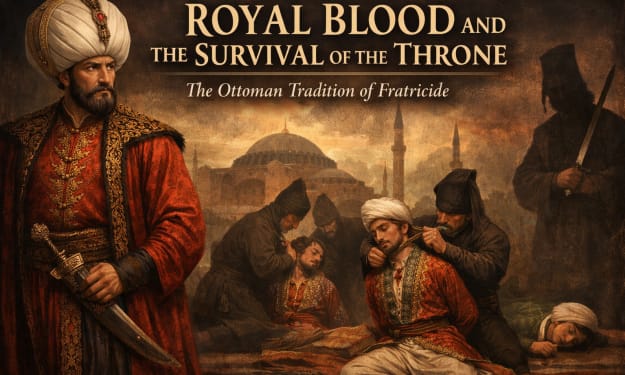
Royal Blood and the Survival of the Throne: The Ottoman Tradition of Fratricide
Among the many powerful dynasties in world history, the Ottoman Empire stands out for its longevity, political sophistication, and vast territorial reach. At its peak, the empire stretched across parts of Europe, Asia, and Africa, ruling over diverse peoples and cultures for more than six centuries. Yet behind the grandeur of its palaces and the power of its sultans lay a grim and controversial tradition: the execution of royal brothers to secure the throne.
By Irshad Abbasi 8 days ago in History
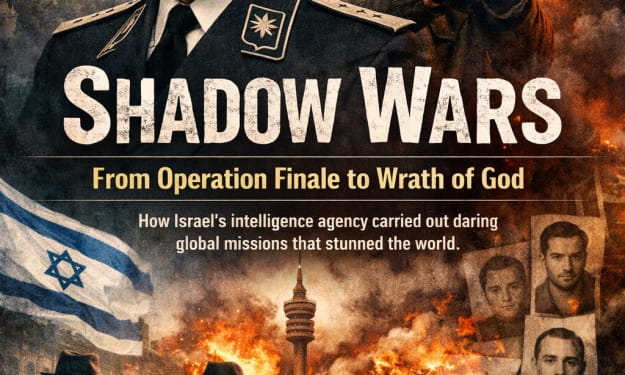
Shadow Wars: From Operation Finale to Wrath of God
Throughout modern history, intelligence agencies have operated in secrecy, carrying out missions that often remain hidden from public view. Among these organizations, the Israeli intelligence agency Mossad has gained a reputation for some of the most daring and controversial operations ever conducted. From tracking down Nazi war criminals to targeting militants responsible for attacks on Israelis, Mossad’s operations have repeatedly captured global attention. Two of the most famous missions associated with the agency are Operation Finale and Operation Wrath of God, both of which left a lasting mark on international intelligence history.
By Irshad Abbasi 8 days ago in History
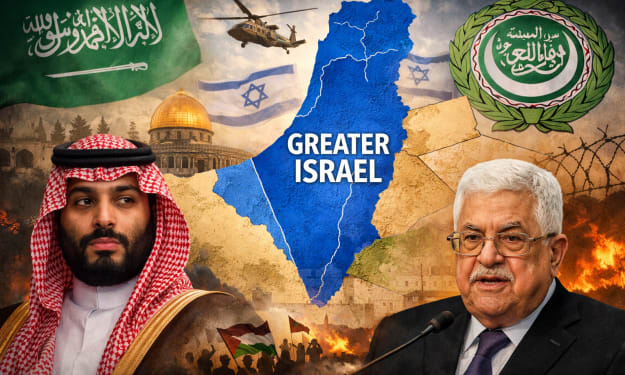
The “Greater Israel” Map Controversy: Saudi Arabia, Palestine and Arab League Condemn the Idea
A recent controversy over a map circulating online and in political discussions has reignited tensions across the Middle East. The map, often referred to as the concept of “Greater Israel,” depicts a much larger Israeli state stretching beyond its current internationally recognized borders and into parts of neighboring countries. The idea has drawn sharp condemnation from Arab states, including Saudi Arabia, Palestine, and the Arab League, who have dismissed it as dangerous political rhetoric and an unrealistic extremist vision.
By Irshad Abbasi 8 days ago in History
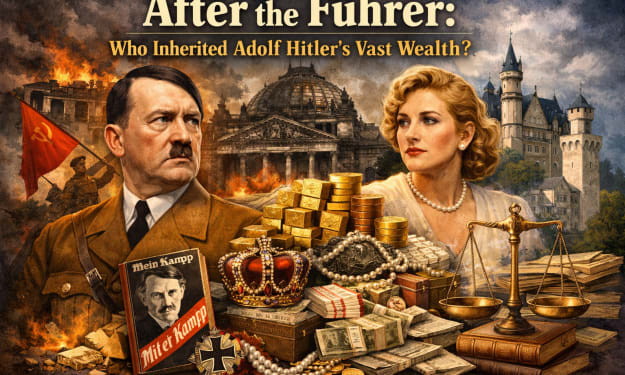
After the Führer: Who Inherited Adolf Hitler’s Vast Wealth?
When Adolf Hitler died by suicide on April 30, 1945, inside his bunker in Berlin, the Third Reich was collapsing around him. Soviet troops were closing in, and Nazi Germany was on the brink of total defeat. Yet even as Europe lay in ruins, a curious legal and financial question lingered: what happened to Hitler’s personal wealth, estimated to be worth hundreds of millions—if not billions—of today’s dollars?
By Irshad Abbasi 8 days ago in History
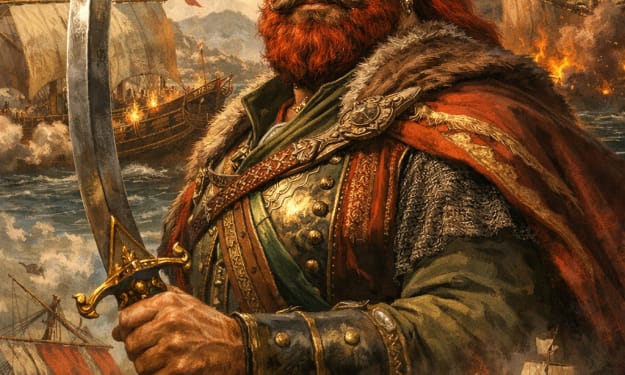
How a feared Mediterranean corsair rose to become Grand Admiral of the Ottoman Empire and reshaped naval power in the 16th century
In the turbulent waters of the 16th-century Mediterranean, where empires clashed and trade routes determined the fate of nations, one name inspired both fear and admiration: **Khayr al-Din Barbarossa**. Known in Europe as “Barbarossa,” meaning “Red Beard,” he began his life as a corsair—what many would call a pirate—but rose to become the Grand Admiral of the mighty **Ottoman Empire**. His journey from privateer to imperial commander is a remarkable tale of ambition, strategy, and shifting loyalties.
By Irshad Abbasi 8 days ago in History
When the Caliph’s Head Hung from the Gates of Baghdad
In the early ninth century, the Abbasid Caliphate stood as one of the most powerful empires in the world. Stretching from North Africa to Central Asia, it was a center of wealth, culture, and intellectual achievement. At the height of this golden age ruled the legendary caliph Harun al-Rashid, whose reign is often remembered as a period of prosperity and brilliance. Yet after his death in 809 CE, the empire he left behind descended into a devastating civil war between his own sons—a conflict that would scar the Abbasid state for generations.
By Irshad Abbasi 8 days ago in History
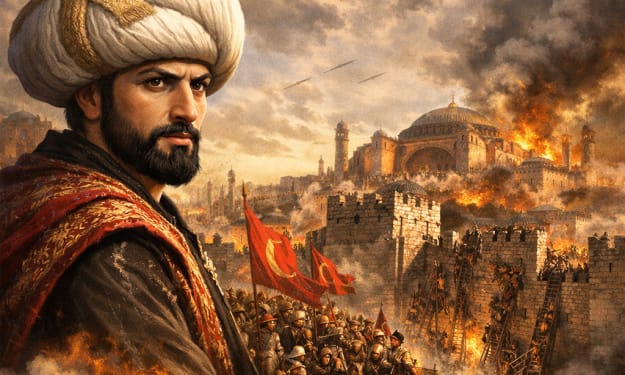
Sultan Mehmed II: The Conquest of Constantinople That Europe Never Forgot
In the spring of 1453, one of the most dramatic moments in world history unfolded when Sultan Mehmed II captured the great city of Constantinople. This event did not simply mark the fall of a city; it ended the thousand-year-old Byzantine Empire and transformed the balance of power between Europe and the Muslim world. Even centuries later, the conquest remains one of the most significant turning points in global history.
By Irshad Abbasi 8 days ago in History
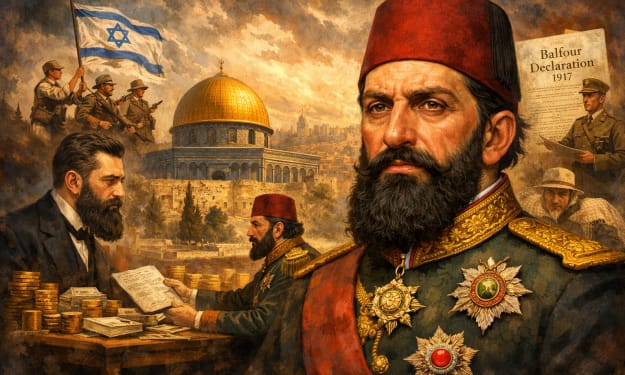
The Defiant Sultan: Abdul Hamid II and His Refusal to Sell Palestine
In the late 19th century, as the Ottoman Empire struggled with political pressure and massive debt, one of its most controversial and powerful rulers, Abdul Hamid II, made a decision that would echo through history. Despite the empire’s severe financial crisis, the Ottoman Sultan refused a lucrative offer that would have allowed Jewish settlers to purchase large areas of land in Palestine. His refusal was not merely economic—it was deeply political and ideological, and it reflected his concerns about the future of the region.
By Irshad Abbasi 8 days ago in History
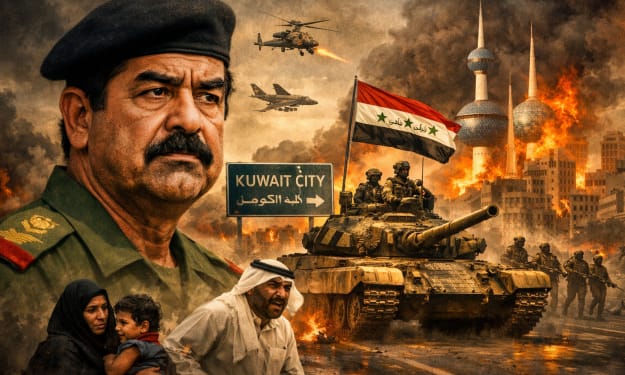
When a “Threat” Became Reality: Saddam Hussein’s Invasion of Kuwait
In the summer of 1990, tensions in the Middle East were rising, but few people believed that an actual war was about to begin. Many diplomats and analysts assumed that Iraqi leader Saddam Hussein was simply using harsh rhetoric to pressure his smaller neighbor. However, what many dismissed as a political threat soon turned into a shocking military invasion that reshaped global politics.
By Irshad Abbasi 8 days ago in History