Latest Stories
Most recently published stories on Vocal.
I Am Emmanuel Goldstein
The packing floor was drenched with rain through a hole in the roof that nobody had bothered to fix, she stared into it as the bell rang signalling her lunch break. Her book open, she opened up a chicken salad and ate with one hand, reading with the other. Julia chewed silently at the back of the room and read Anna Karenina, struggling to keep the book in one hand since it was so big. She was roughly halfway through and was beginning to think about how rich, decadent and parasitic this society had to be for their biggest problem to be whether a woman was cheating on her husband or not. She was taken out of the story by another woman who turned on the television with a broom, poking it until she found the 'on' button. The static fuzzed about and then that weird show began to play.
By Annie Kapur21 days ago in Fiction
How Technology Is Changing the Way We Maintain Buildings and Infrastructure
Maintenance is often invisible until it fails. Lights flicker only when wiring degrades. Roads are noticed when they crack. Buildings attract attention when something stops working rather than when everything functions quietly as intended.
By Niklaus M.21 days ago in Futurism
What to Pack for a Trip to Abu Dhabi
Naturally, Abu Dhabi, the United Arab Emirates’ beautiful capital, is always an entrancing city to visit. With its lofty skyscrapers, cultural attractions, shopping opportunities and desert landscapes, you will find that Abu Dhabi has a great deal that will draw the interest of the discerning traveller. Of course, since this city inherits a Muslim culture, you must dress conservatively in public settings. Some additional useful suggestions regarding packing for a visit to this city are provided below.
By ameliarosanna21 days ago in Families
From Boom to Burden: How Overtourism Hit European Cities. AI-Generated.
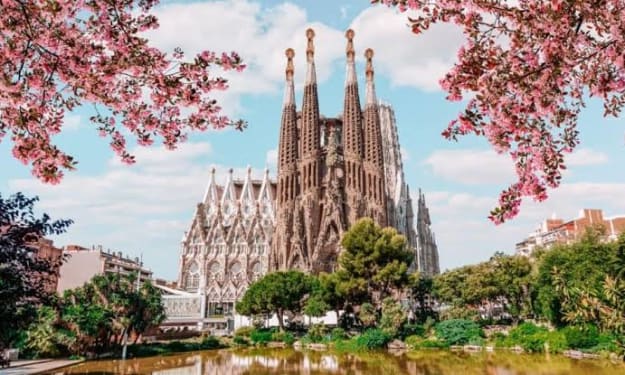
For decades, Europe’s historic cities thrived on tourism, drawing millions of visitors with their architecture, culture, and culinary heritage. Cities like Venice, Barcelona, and Amsterdam became global icons, celebrated for their charm and vibrant streets. But in recent years, the very influx that fueled economic growth has turned into a burden, sparking debates about sustainability, quality of life, and urban resilience. The Rise of Mass Tourism The rise of low-cost airlines, online booking platforms, and the explosion of social media has made European cities more accessible than ever. According to the European Travel Commission, international arrivals to major European cities grew by over 50% in the last decade before the pandemic. Visitors flocked to cultural landmarks, historic districts, and local markets, bringing economic benefits to hotels, restaurants, and service industries. In Venice, for example, the city welcomed more than 20 million visitors annually, compared to a resident population of just 260,000. Barcelona faced similar pressures, with narrow streets and historic neighborhoods inundated by tourists, leading to friction between locals and visitors. Amsterdam reported overcrowding in museums and public transport, with some neighborhoods experiencing daily foot traffic far beyond capacity. Economic Gains and Hidden Costs Tourism has unquestionably fueled European economies, providing jobs and stimulating small businesses. Cities leveraged visitor spending to renovate infrastructure and preserve heritage sites. The local economy of Venice, for instance, relies heavily on ticketed attractions, cruises, and souvenir sales, while Barcelona’s hospitality sector employs thousands. Yet the benefits came with hidden costs. Housing markets have been distorted as short-term rental platforms like Airbnb encouraged landlords to convert apartments into tourist accommodations, pushing locals out. Public services, sanitation, and transportation systems have been stretched to breaking point, while everyday residents struggle with noise, litter, and congestion. Environmental damage is another concern. Heavy foot traffic accelerates wear on historic structures, and coastal cities like Venice face erosion and rising flood risks intensified by cruise ship emissions. Air pollution and carbon footprints have increased, raising questions about the long-term sustainability of mass tourism. Policy Responses and Pushback Local governments have begun to respond. Venice has introduced daily visitor limits and new ticketing systems for popular attractions. Barcelona imposed restrictions on short-term rentals and launched campaigns urging tourists to respect residential neighborhoods. Amsterdam has promoted less crowded cultural sites and encouraged off-peak travel. However, enforcement remains a challenge. Many cities rely on voluntary compliance, and the pressure to maintain revenue streams can conflict with measures aimed at reducing tourist numbers. Social tensions persist, with residents protesting in public squares and online forums, demanding that tourism be managed rather than left unchecked. Lessons for Urban Tourism Experts argue that Europe’s overtourism crisis provides a cautionary tale for global cities. Sustainable tourism policies, equitable distribution of visitors, and investment in local infrastructure are essential. Digital tracking, advance booking systems, and differential pricing can help manage visitor flow while preserving city life. Additionally, cities are increasingly looking at community-led tourism, where local stakeholders have a say in how neighborhoods are used and how cultural heritage is shared with visitors. Balancing economic gain with livability has become the defining challenge of urban tourism policy. The Road Ahead While the pandemic temporarily reduced visitor numbers, the rebound in travel has reignited pressures on European cities. Authorities now face the dual challenge of revitalizing economies dependent on tourism while mitigating the social, environmental, and cultural costs of mass visitation. The story of Europe’s overtourism is one of transformation — from boom to burden. As cities chart their futures, the lesson is clear: unchecked tourism may yield short-term prosperity, but without thoughtful management, it risks undermining the very attractions that drew visitors in the first place.
By Fiaz Ahmed 21 days ago in The Swamp