Fiaz Ahmed
Bio
I am Fiaz Ahmed. I am a passionate writer. I love covering trending topics and breaking news. With a sharp eye for what’s happening around the world, and crafts timely and engaging stories that keep readers informed and updated.
Stories (1511)
Filter by community
How Iran’s women footballers took asylum in Australia and what happens next. AI-Generated.
In a dramatic development during the 2026 AFC Women’s Asian Cup in Australia, members of the Iran women's national football team sought asylum after fearing persecution if forced to return to Iran. The events unfolded against a backdrop of political tension and mounting safety concerns for women athletes from Iran. The Trigger: Protest and Backlash The situation first drew global attention after several Iranian players refused to sing the national anthem before one of their matches. State media in Iran condemned the act, labeling the athletes “traitors” and warning they could face reprisals at home. Fears intensified as the squad remained in contact with authorities and media back in Iran criticized them for their stance. While the team continued its tournament on Australian soil, safety concerns grew. Iranian authorities reportedly sent security personnel with the delegation, raising alarm among diaspora communities and advocacy groups. Escape from the Team Hotel In the early days of March, as the tournament concluded, at least five players slipped away from their hotel on the Gold Coast with assistance from the Australian Federal Police and Queensland Police. They were initially escorted to a secure location. Home Affairs Minister Tony Burke personally met with the group, explaining Australia’s offer of Temporary Humanitarian Visas and the protections they provide. By the early hours, five players had formalised their asylum applications. Australian officials emphasized that the process was confidential and designed to ensure the players could make informed, voluntary decisions without pressure from any side. The government stated the visas would give the women a legal pathway to remain in Australia and eventually seek permanent residency. Growing Numbers and a Changed Decision Reports soon emerged that at least seven members of the Iranian squad had sought asylum, as others either refused to board return flights or made choices to remain in Australia. However, the situation evolved rapidly when one team member, initially granted asylum, changed her mind and requested to return to Iran. She contacted the Iranian embassy, inadvertently revealing the location of the safehouse where other asylum seekers were being protected. Australian authorities responded swiftly by relocating the remaining women to a new secure facility. Iran’s Reaction and Diplomatic Tensions The Iranian government strongly criticized Australia’s actions, accusing Canberra of “holding the players hostage” and interfering in Iran’s internal affairs. Iranian officials framed the asylum offers as provocative, drawing sharp responses from both countries’ diplomatic channels. Meanwhile, Australian authorities maintained that every team member was offered the chance to choose whether to stay, stressing that asylum decisions were voluntary. They also clarified that visas were only granted to those assessed as genuinely in need of protection; individuals linked to certain Iranian security entities were not offered asylum. What Happens Next — For the Players For the women who elected to stay in Australia, the immediate future involves navigating the legal and logistical process of asylum applications. Temporary Humanitarian Visas generally include protection from forced return and may lead to a pathway for longer-term residency, with access to support services and, in some cases, work and study rights. Media coverage suggests the Australian government is continuing to offer asylum opportunities to other team members willing to make the request before they depart the country. Officials highlight that protections are available under Australia’s humanitarian framework for people at risk of persecution. Broader Implications The case has sparked international debate about the intersection of sports, politics, and human rights. Advocacy groups say the asylum requests spotlight the dangers faced by women in Iran, particularly those who defy social or political norms. Critics warn that without stronger international protections, athletes traveling for competitions can find themselves vulnerable to punitive actions by their home governments. Observers also note that asylum during international events, while rare, is not unprecedented. But the highly public nature of this case and the global media attention have underscored how geopolitical tensions can spill onto the playing field and force life‑altering decisions for athletes far from home. As the situation continues to unfold, the stories of these footballers will remain a poignant example of how sports and human rights can intersect under extraordinary circumstances.
By Fiaz Ahmed about 17 hours ago in The Swamp
I’m a GP. Here’s how to get the most from your 10-minute appointment. AI-Generated.
As a general practitioner who sees patients every day, I know just how precious a 10‑minute appointment can be. With GP consultations often limited to just a short window—especially in busy practices—your preparation and communication matter more than you might think. Here’s how to use those minutes wisely so you leave feeling heard, understood, and with a plan. 1. Prepare Before You Walk In The most common reason patients feel rushed is that they arrive with no clear agenda. Before your appointment, take a moment to write down: Your main concern When your symptoms began How they affect your daily life Any questions you want answers to This simple step helps us prioritise what matters most to you first, rather than spending time trying to figure out what’s bothering you. In fact, practices often recommend listing up to two issues, and if you have more than that, ask for a double appointment when booking. Also bring a list of all medications, including vitamins or supplements, and any recent test results or letters from other specialists. Even if we have your record on file, it may not be complete or up to date, and this can save precious minutes. 2. Be Honest—Really Honest It sounds obvious, but honesty is one of the most important parts of a successful appointment. Don’t downplay symptoms because you think they’re “silly” or “minor.” Equally, don’t exaggerate—you want us to understand what’s really going on. Honest information helps us avoid misdiagnosis or unnecessary tests, and it makes clinical reasoning much more efficient. 3. Start With What Matters Most In a 10‑minute consultation, it’s vital to state your main concern right away. This helps us focus the limited time on the issue that’s most important to you, rather than discovering it at the end when there’s little time left. what you’re most worried about, and what outcome you hope for. If your real concern is reassurance, tests, or a referral, say so early. This at least lets us meet your expectations within the time available. 4. Ask Questions and Clarify Doctors use a lot of medical language, and it’s okay to interrupt politely if you don’t understand something. Ask us to explain terms, diagrams, or plans in simple language. If you’re unsure what to do after you leave—whether it’s how to take your medicine, when to return, or what symptoms mean something is getting worse—say so. Many people forget half of what they’re told during an appointment. Writing things down or asking for a written plan helps make sure you leave with clarity. 5. Bring a Support Person if You Think It Helps If you’re nervous or worried you’ll forget what was said (which happens to most people), consider bringing a friend or family member. They can take notes or help ask questions—but make sure you are the one telling us about your symptoms, so nothing gets lost in translation. 6. Follow Up Appropriately Sometimes a single 10‑minute slot isn’t enough—for complex issues, multiple symptoms, or emotional concerns, you can ask for a longer appointment, book a follow‑up, or even request a specialist referral. Asking for a second opinion or follow‑up time is not a weakness—just good healthcare planning. 7. Learn From Each Visit Afterward, reflect on what went well and what could have been clearer. Keeping a symptom diary, noting triggers, or tracking progress can make your next appointment even more productive. Patients Association In short: being organised, honest, and direct makes a world of difference in a short GP visit. Your doctor’s time is limited, but that doesn’t mean your care has to feel rushed. With a bit of preparation and clear communication, a 10‑minute appointment can still be fully effective and satisfying for you.
By Fiaz Ahmed about 20 hours ago in Longevity
How Hegseth Came to See Moral Purpose in War as Weakness. AI-Generated.
An analytical exploration of the evolution of Pete Hegseth’s war ethos and the implications for U.S. policy Over the past decade, Pete Hegseth has undergone a dramatic transformation from conservative media personality to one of the most polarizing figures in American military policy. Today serving as the United States Secretary of Defense under President Donald Trump, Hegseth’s public pronouncements and strategic decisions suggest a worldview in which traditional moral frameworks surrounding war are increasingly dismissed as liabilities. What began as rhetorical emphasis on strength and combat readiness has evolved into a broader ideological stance that treats moral purpose in war—moral clarity, restraint, and adherence to legal norms—as signs of weakness rather than virtue. Hegseth’s rise to prominence began long before his appointment to the Pentagon. As a Fox News host and conservative commentator, he championed aggressive U.S. military action and frequently criticized what he saw as excessive political correctness. In his 2020 book American Crusade: Our Fight to Stay Free, he framed global conflicts in starkly moralistic terms, calling for a broad “crusade” against forces he characterized as hostile to Western civilization. This early rhetoric laid the groundwork for his later rejection of moral constraints on warfare, equating moral caution with lack of resolve. Once in office, Hegseth’s framing of war shifted further. In public briefings on the current U.S.-Iran conflict—dubbed Operation Epic Fury—he regularly emphasizes military dominance and operational success while refraining from articulating broader humanitarian or moral objectives. “We didn’t start this war but … we’re finishing it,” he told reporters, focusing on strategic outcomes like neutralizing Iran’s missiles and naval capability rather than advancing a clear moral purpose or vision for peace. Critics argue this shift reflects a deeper intellectual and ethical stance: that moral qualifiers in war make victory harder to achieve. Hegseth has disparaged established rules of engagement and what he calls “politically correct wars,” suggesting that adherence to international legal norms or concerns about civilian casualties constrains effective action. In comments widely circulated on social media, he reportedly scoffed at traditional rules designed to minimize harm, embracing instead a version of warfighting that prioritizes lethality over deliberation. In broader public discourse, commentators observe that Hegseth’s approach redefines moral purpose—not as a guiding principle that justifies violence only under strict conditions, but as a hindrance that dilutes the effectiveness of military force. This echoes a critical academic debate about the role of moral clarity in war: traditionally seen as essential to maintaining legitimacy and support, moral purpose now, in Hegseth’s framing, appears subordinate to the singular goal of “winning.” Analysts note that this perspective aligns with a broader trend in some conservative circles that equates restraint with weakness. Under this view, moral purpose—whether rooted in international law, humanitarian concern, or the protection of noncombatants—is often portrayed as undermining national strength and strategic advantage. Instead, proponents argue, moral restraint handicaps military operations by imposing constraints that adversaries do not accept or follow. Hegseth’s critics, however, warn that this logic risks eroding longstanding norms designed to limit suffering and uphold a rules‑based international order. The implications of this philosophical shift are substantial. On the battlefield, dismissing moral purpose can lead to decisions that escalate violence and damage alliances. Outside war zones, it raises questions about the U.S. commitment to global norms and its moral leadership. When moral restraint is reframed not as strategic prudence but as “weakness,” the boundaries that separate responsible military action from unchecked aggression become blurred. This evolution in Hegseth’s rhetoric and policy underscores a broader tension in American strategic culture: the balance between strength and ethics. While military potency is undeniably central to national security, history demonstrates that moral purpose in war—rules of engagement, protection of civilians, legal accountability—serves essential functions, both practical and normative. When war is waged without meaningful moral purpose, critics warn, it may achieve tactical objectives at the cost of long‑term strategic stability and international legitimacy. In redefining moral purpose as weakness, Hegseth embodies a school of thought that prizes power over principle. Whether this approach will prove effective—or whether it will deepen divisions and erode foundational norms of conduct in warfare—remains a pivotal question in U.S. defense policy.
By Fiaz Ahmed about 20 hours ago in Longevity
Private Jet Pilots Salary in the World in 2026. AI-Generated.
Private jet pilots remain among the best-paid professionals in aviation in 2026, as the rapid growth of corporate and luxury air travel continues to expand opportunities worldwide. While airline pilots often receive the most public attention, pilots flying private jets for wealthy individuals, corporations, and charter companies frequently earn competitive salaries, flexible schedules, and exclusive career opportunities. Private aviation has grown significantly over the past decade, driven by high-net-worth individuals, multinational corporations, and governments that rely on private aircraft for efficiency and security. As a result, the demand for experienced private jet pilots has increased globally, contributing to higher salaries and improved benefits packages. Average Private Jet Pilot Salary in 2026 In 2026, private jet pilots around the world typically earn between $65,000 and $350,000 per year, depending on experience, aircraft type, and employer. Some highly experienced captains flying ultra-long-range business jets can earn even more. The aviation job market is also influenced by a global pilot shortage, which has encouraged many companies to offer higher pay and incentives to attract qualified pilots. According to industry data, the average private jet pilot salary globally is around $130,000 annually, though the figure can vary significantly depending on region and role. Salary by Experience Level Like most aviation careers, experience plays a major role in determining how much a private jet pilot earns. Entry-level pilots, usually working as first officers or co-pilots, earn around $50,000 to $85,000 annually. These pilots typically have limited flight hours and are still building experience with charter companies or smaller aircraft operators. Mid-career pilots, with several thousand hours of flight experience, usually earn between $85,000 and $150,000 per year. They may fly larger business jets or work for established corporate aviation departments. Senior captains, who often have more than 5,000 flight hours and extensive training, can earn $150,000 to $250,000 or more annually. These pilots typically command large luxury aircraft used for international travel by corporations and wealthy clients. In some elite positions—such as flying ultra-long-range jets like Gulfstreams or Bombardier Global aircraft—captains can earn over $300,000 per year, particularly when bonuses and allowances are included. Regional Salary Differences Private jet pilot salaries vary significantly by region due to economic conditions, demand, and the size of the private aviation market. United States The United States remains the largest private aviation market. Pilots there earn an average of about $131,000 annually, with experienced captains earning far more depending on aircraft type and employer. Europe In Western Europe, salaries typically range from €70,000 to €150,000 per year, while Eastern European markets tend to offer lower pay due to smaller private aviation sectors. Middle East Countries in the Middle East, especially the United Arab Emirates and Saudi Arabia, offer some of the most attractive compensation packages. Pilots can earn $100,000 to $180,000 annually, often with tax-free income and housing allowances. Asia-Pacific Rapid economic growth in countries such as China and Singapore has expanded the private aviation market in Asia. Experienced private jet pilots in this region can earn well above $200,000 per year depending on aircraft type and contract conditions. Factors That Influence Salary Several factors determine how much a private jet pilot earns. Aircraft type is one of the biggest influences. Pilots flying larger or long-range aircraft typically earn more because these jets require advanced training and greater responsibility. Experience and flight hours also play a major role. Pilots with thousands of hours logged and multiple aircraft certifications can negotiate significantly higher salaries. Employer type is another important factor. Corporate flight departments for large companies often offer higher salaries and more stable schedules compared with charter operators or freelance contracts. Additional Benefits In addition to base salary, private jet pilots frequently receive a range of benefits, including: Housing allowances Travel and meal allowances Health insurance Retirement plans Performance bonuses These benefits can significantly increase a pilot’s total compensation package. Outlook for the Future The outlook for private jet pilots remains strong in 2026. Growing global wealth, expanding corporate travel, and increased demand for private aviation continue to support the industry. As a result, skilled pilots are likely to remain in high demand. For aspiring aviators, becoming a private jet pilot requires years of training, thousands of flight hours, and specialized certifications. However, for those who reach the top levels of the profession, the financial rewards and career opportunities can be exceptional. In a rapidly evolving aviation landscape, private jet pilots continue to play a crucial role in connecting global business leaders, governments, and high-profile individuals across continents—while enjoying one of the most lucrative careers in the skies.
By Fiaz Ahmed about 24 hours ago in Longevity
Attacks Reported on Three More Cargo Ships in Gulf, With Oil Prices Climbing Near $100. AI-Generated.
Fresh attacks on three cargo ships in the Gulf region have heightened concerns about maritime security and pushed global oil prices close to the $100-per-barrel mark, underscoring the fragile stability of energy supply routes in the Middle East. According to shipping industry sources and regional officials, the vessels were targeted in separate incidents while navigating waters near the strategically crucial Strait of Hormuz and surrounding Gulf shipping lanes. The attacks reportedly involved drones or small explosive devices, although investigations are ongoing and the exact methods used have not been fully confirmed. The Strait of Hormuz, situated between Iran and Oman, serves as one of the world’s most important energy corridors. Nearly a fifth of global oil shipments pass through the narrow waterway each day, transporting crude from major producers such as Saudi Arabia, United Arab Emirates, and Kuwait to markets in Asia, Europe, and beyond. Security officials say the three affected cargo vessels sustained varying levels of damage but were able to remain afloat and continue to nearby ports for inspection. No fatalities were reported, though several crew members were said to have suffered minor injuries. The incidents come amid rising geopolitical tensions across the Middle East. Western governments and regional observers have linked recent maritime disruptions to broader regional confrontations involving Iran and its allies, though responsibility for the latest attacks has not yet been officially attributed. Naval forces operating in the Gulf quickly responded after distress signals were transmitted by the ships. Patrol vessels from the U.S. Fifth Fleet, based in Manama in Bahrain, reportedly moved into the area to assist with monitoring and escort operations while investigators began assessing the situation. The U.S. Navy and its partners have maintained a heightened presence in the Gulf since a series of attacks on oil tankers in recent years raised fears that commercial shipping could become a target in wider regional disputes. Maritime security patrols are often coordinated through the multinational International Maritime Security Construct, which includes several allied nations. Energy markets reacted swiftly to the news. Traders cited concerns that repeated incidents could disrupt the flow of oil through the Gulf, a scenario that historically leads to rapid price spikes. Benchmark crude prices surged during trading sessions, approaching the symbolic $100 threshold that many economists see as a warning sign for the global economy. Analysts note that oil markets are particularly sensitive to threats around the Strait of Hormuz because there are few alternative routes capable of handling such massive export volumes. Even temporary disruptions or perceived risks can drive speculation and push prices higher. The attacks also highlight the growing use of asymmetric tactics in maritime conflicts. Security experts say relatively inexpensive drones, mines, and fast attack boats can pose serious threats to large commercial vessels navigating narrow waterways. Regional tensions have already been elevated by the continuing repercussions of the Israel–Hamas war, which has drawn multiple actors into confrontations across the Middle East. Shipping routes in nearby seas have increasingly become strategic pressure points in the broader geopolitical struggle. Iran has repeatedly warned that instability in the region could threaten maritime traffic, particularly if it perceives pressure on its own energy exports. Western governments, however, have accused Iranian-linked forces of attempting to intimidate international shipping to gain leverage in diplomatic disputes. Shipping companies are now reassessing risk levels for vessels traveling through Gulf waters. Insurance premiums for tankers and cargo ships transiting the region have already begun to climb as underwriters factor in the possibility of further attacks. Despite the rising tensions, maritime authorities say commercial traffic through the Strait of Hormuz continues to move, albeit with heightened caution. Many ships are operating with additional security protocols, including increased surveillance and closer coordination with naval forces. Diplomats and energy analysts warn that continued incidents could have broader consequences beyond the shipping industry. If attacks persist and oil prices remain elevated, the ripple effects could be felt across global economies already struggling with inflation and energy supply concerns. For now, the Gulf remains one of the world’s most critical—and increasingly vulnerable—energy arteries. As investigations into the latest attacks continue, governments and shipping companies alike are watching closely to see whether the region’s fragile balance can be maintained or whether tensions will push the vital trade corridor toward a deeper crisis.
By Fiaz Ahmed a day ago in The Swamp
Eight Arab, Islamic Countries Condemn Israeli Closure of Al-Aqsa Mosque. AI-Generated.
A coalition of eight Arab and Islamic countries has strongly condemned Israel’s temporary closure and tightened restrictions around the revered Al-Aqsa Mosque compound, warning that the move risks escalating tensions in the already fragile political and security environment of the region. The mosque, located in the contested city of Jerusalem, is one of Islam’s holiest sites and a central symbol in the decades-long Israeli–Palestinian conflict. The governments of Jordan, Saudi Arabia, Qatar, Turkey, Egypt, Kuwait, Pakistan, and Malaysia issued coordinated statements condemning what they described as an unjustified restriction on Muslim worshippers. The diplomatic statements called on Israel to immediately reopen the mosque compound and respect the historical and legal status quo governing the site. Israeli authorities said the closure was implemented for security reasons following clashes and intelligence warnings of possible unrest. Security forces temporarily restricted access to parts of the compound, citing concerns about violence between Palestinian protesters and Israeli police. However, the measures quickly triggered outrage across the Muslim world. Jordan, which historically holds custodianship over Islamic holy sites in Jerusalem through the Jerusalem Islamic Waqf, issued one of the strongest reactions. Amman’s foreign ministry described the move as a “dangerous escalation” and a violation of international law and existing agreements that regulate the administration of the mosque compound, also known to Muslims as Haram al-Sharif. Saudi Arabia also voiced deep concern, emphasizing the importance of safeguarding freedom of worship. The kingdom’s foreign ministry said the restrictions represented “a clear infringement on the sanctity of holy places,” urging the international community to intervene to prevent further deterioration of the situation. Turkey’s government echoed similar sentiments, accusing Israel of provoking tensions and undermining regional stability. Ankara warned that actions targeting the mosque could spark broader unrest among Muslim communities worldwide. Egypt and Qatar, both influential mediators in regional diplomacy, called for restraint on all sides while demanding the immediate restoration of normal access for worshippers. Officials from both countries stressed that any measures affecting Al-Aqsa carry enormous political and religious sensitivities that extend far beyond the borders of Israel and the Palestinian territories. Pakistan and Malaysia also joined the condemnation, framing the issue as part of the wider Palestinian struggle. Their foreign ministries reiterated support for Palestinian rights and urged international organizations to hold Israel accountable for actions that restrict access to holy sites. The compound housing Al-Aqsa Mosque is also revered by Jews as the Temple Mount, making it one of the most sensitive religious locations in the world. Any change in security arrangements there often sparks strong reactions from both Palestinians and Israelis. Past incidents involving restrictions or police raids have triggered widespread protests and sometimes violent confrontations. Palestinian leaders and religious authorities in Jerusalem said the closure disrupted prayers and created an atmosphere of fear among worshippers. Several Palestinian groups called for international pressure on Israel to guarantee free access to the mosque, particularly during important religious periods when thousands of worshippers normally gather there. International observers note that tensions surrounding the site frequently mirror broader political developments in the Israeli-Palestinian conflict. Analysts warn that disputes over access to Al-Aqsa Mosque can quickly escalate into wider unrest in Jerusalem, the West Bank, and even across the region. Diplomatic sources say behind-the-scenes efforts are already underway to de-escalate the situation. Regional mediators, including Jordan and Egypt, are believed to be in contact with Israeli officials to negotiate security arrangements that would allow the mosque to reopen fully while preventing further clashes. Despite these efforts, the episode highlights how deeply symbolic sites like Al-Aqsa remain flashpoints in Middle Eastern politics. For millions of Muslims around the world, the mosque represents not only a sacred place of worship but also a powerful symbol of identity and sovereignty. As diplomatic pressure mounts, the coming days will determine whether calm can be restored or whether the dispute will further inflame tensions in one of the world’s most volatile regions.
By Fiaz Ahmed a day ago in The Swamp
U.S. Military Turns Down Requests to Escort Tankers Through Hormuz. AI-Generated.
The United States military has reportedly declined several recent requests from commercial shipping operators seeking naval escorts through the strategically vital Strait of Hormuz, a decision that highlights growing complexity in the security landscape of the Gulf and raises concerns among global energy markets. Officials within the United States Department of Defense confirmed that while the U.S. Navy continues to monitor maritime activity closely, it has not expanded its escort operations for commercial oil tankers moving through the narrow waterway. The decision comes as tensions between Iran and the United States remain elevated, particularly following a series of incidents involving merchant vessels in the Gulf region. The Strait of Hormuz, located between Iran and Oman, is one of the most critical chokepoints in global energy trade. Roughly one-fifth of the world’s oil supply passes through the narrow corridor each day, making any disruption there a potential shock to international markets. Tanker operators and energy companies have grown increasingly anxious after reports of drone sightings, harassment of commercial ships, and electronic interference affecting navigation systems. According to defense officials familiar with internal discussions, the Pentagon determined that expanding direct escorts could risk escalating already delicate tensions in the region. Instead, the U.S. Navy is continuing its broader patrol mission under the multinational maritime security framework led by the U.S. Fifth Fleet, headquartered in Manama, Bahrain. A senior defense official, speaking on condition of anonymity due to the sensitivity of the matter, said that escorting every tanker passing through the strait would place enormous strain on naval resources and could create expectations that Washington may not be able to sustain over the long term. “Commercial vessels routinely transit the strait under existing security arrangements,” the official said. “Our forces remain present, vigilant, and capable of responding to threats, but continuous escorts are not currently part of our operational posture.” The policy echoes a similar approach adopted in recent years, when the United States launched the International Maritime Security Construct to coordinate patrols with allied navies and enhance maritime surveillance rather than provide full-time convoy protection. Nevertheless, the refusal has unsettled some shipping companies and energy traders who fear that the absence of guaranteed escorts could expose vessels to potential interference. Insurance premiums for tankers traveling through the Gulf have already fluctuated in response to the rising geopolitical risk. Security analysts note that Iran has repeatedly warned it could disrupt shipping through the strait if its own oil exports face further restrictions or military pressure. While Tehran has denied direct involvement in attacks on merchant vessels, Western governments have accused Iranian forces of conducting harassment operations through the Islamic Revolutionary Guard Corps naval units. Regional tensions have also been heightened by broader confrontations linked to the Israel–Hamas war and its ripple effects across the Middle East. Several Iran-aligned groups in the region have targeted shipping routes and military installations, raising fears that maritime commerce could become a wider battlefield. Despite declining escort requests, U.S. officials insist that the Navy remains committed to protecting freedom of navigation. Warships, surveillance aircraft, and drones continue to operate throughout the Gulf, tracking vessel movements and responding to suspicious activity. The U.S. military presence in the region has been a cornerstone of maritime security since the late 1980s, when Washington launched Operation Earnest Will to escort Kuwaiti tankers during the Iran–Iraq War. That operation marked one of the largest naval convoy efforts since the Second World War and underscored the strategic importance of the Strait of Hormuz. Today’s security challenges, however, are far more complex. Rather than large-scale naval battles, threats often involve asymmetric tactics such as fast attack boats, drones, cyber interference, and mines—methods designed to create disruption without triggering open conflict. Energy analysts warn that even minor incidents in the Strait of Hormuz can have outsized economic consequences. Oil prices tend to react sharply to any perceived threat to the waterway, given its central role in transporting crude from major producers such as Saudi Arabia, United Arab Emirates, and Kuwait. For now, shipping companies appear to be adjusting their risk calculations rather than halting operations. Most vessels continue to transit the strait under standard security protocols, while governments across the region maintain close communication with naval forces to monitor the situation. Diplomats say the U.S. decision not to expand escort missions may also reflect a broader effort to avoid sending signals that could further militarize the Gulf’s shipping lanes. Washington has repeatedly emphasized that its objective is deterrence and stability rather than confrontation. Still, the decision leaves the maritime industry navigating an uncertain environment. As geopolitical rivalries intensify and global energy flows remain heavily dependent on the Strait of Hormuz, the balance between security and escalation will continue to shape one of the world’s most strategically important waterways.
By Fiaz Ahmed a day ago in The Swamp
Hundreds of GPs Tell BBC They Have Never Refused a Sick Note Over Mental Health Concerns. AI-Generated.
Hundreds of general practitioners across the United Kingdom have told BBC that they have never refused to issue a sick note when a patient presented with genuine mental health concerns, highlighting how medical attitudes toward psychological illness have evolved in recent years. The statements emerged during a broad inquiry by the broadcaster into the practices of family doctors working within the National Health Service (NHS). The findings suggest that many physicians now treat mental health conditions with the same seriousness as physical illnesses when determining whether a patient should be excused from work. General practitioners—often referred to as GPs—are typically the first point of contact for patients seeking medical help in the UK. Under NHS rules, doctors can issue a “fit note,” a document confirming that an individual is not well enough to work or may need adjustments in their job responsibilities. Doctors interviewed said that refusing such notes for mental health issues would contradict modern medical understanding. Conditions such as anxiety disorders, severe stress, depression, and burnout can significantly impair a person’s ability to perform daily tasks, including employment duties. One GP from northern England told the BBC that mental health complaints have become one of the most common reasons for patient consultations. “When someone sits in front of you describing overwhelming anxiety or panic attacks, it’s no different from someone presenting with a physical injury,” the doctor explained. “Our role is to assess their health and help them recover, not to question whether their illness is legitimate.” Data from NHS England show that mental health conditions now account for a large proportion of sick leave certificates issued each year. Experts attribute the increase partly to improved awareness of psychological well-being and a greater willingness among people to seek help. However, the issue has also sparked debate among policymakers and employers. Some business groups have raised concerns about rising absenteeism, arguing that the system could be vulnerable to misuse. In response, doctors insist that medical professionals carefully evaluate each case before issuing documentation. A senior GP speaking anonymously said that while there is occasional pressure from employers or government agencies to tighten controls, most physicians prioritize patient welfare. “We are trained to identify when someone is struggling mentally,” the doctor said. “The idea that doctors are casually handing out sick notes without assessment simply doesn’t reflect reality.” Medical associations have also defended the current approach. Representatives from the Royal College of General Practitioners emphasized that mental health problems can be as debilitating as physical diseases and should be treated with equal compassion and professionalism. Experts note that work-related stress has increased significantly in recent years due to economic pressures, digital workloads, and changing employment patterns. The aftermath of the COVID-19 pandemic also contributed to widespread psychological strain, with many individuals experiencing lingering anxiety, isolation, or grief. Public health specialists argue that allowing patients time away from work can actually speed recovery and prevent conditions from worsening. Short-term absence, they say, may reduce the risk of more serious long-term mental illness that could require extensive treatment. Nevertheless, doctors acknowledge that balancing patient care with workplace responsibilities remains challenging. Some GPs said they prefer to recommend modified duties or gradual returns to work when possible, helping patients maintain routine while still protecting their mental health. The conversation around mental health and employment has gained momentum across the UK in recent years. Campaigns promoting psychological well-being in the workplace have encouraged employees to speak openly about stress and burnout, reducing the stigma historically associated with mental illness. Advocates believe the testimonies from hundreds of doctors reinforce the need for compassionate medical policies. Rather than questioning the legitimacy of mental health-related sick leave, they argue that employers and governments should focus on creating supportive environments that prevent stress and exhaustion from escalating into serious conditions. As awareness continues to grow, medical professionals say the central principle remains unchanged: a patient’s health—whether physical or psychological—must always come first. For many GPs, issuing a sick note for mental health concerns is not simply administrative paperwork but an essential step in helping individuals recover and regain stability in their lives.
By Fiaz Ahmed a day ago in Longevity
Could Iran be using China’s highly accurate BeiDou navigation system?. AI-Generated.
As the conflict between Iran and the United States and Israel continues to escalate, military analysts and intelligence experts are scrutinizing Tehran’s capabilities — particularly what might lie behind recent improvements in the accuracy of Iranian missiles and drones. One key question has emerged: Is Iran tapping into China’s BeiDou satellite navigation system to guide its weapons with greater precision? While Tehran has not officially confirmed such a move, multiple reports and expert assessments suggest it is a plausible explanation for shifts in Iran’s targeting effectiveness. A Shift in Navigation Systems? Historically, most militaries — including Iran’s — have relied on the U.S.‑operated GPS (Global Positioning System) for navigation and targeting. GPS has been the backbone of precision guidance for decades, underpinning everything from commercial aviation to missile delivery and drone flight control. But with rising political tensions and ongoing hostilities in the Middle East, Iran’s GPS‑dependent weaponry has sometimes struggled against sophisticated jamming and electronic warfare techniques. Recent assessments from defense analysts point to a potential shift: Iran may be using China’s BeiDou Navigation Satellite System (BDS) as a strategic alternative or complement to GPS. Former intelligence officials note that the accuracy of Iranian missile targeting in recent months appears significantly improved compared to earlier conflicts, prompting questions about whether a more robust navigation source is in play. BeiDou — China’s global navigation network — offers several technical advantages that could explain this change. Its military‑grade B3A signal is designed to be resilient to jamming and spoofing, two techniques commonly used to interfere with GPS signals in conflict zones. BeiDou incorporates complex frequency hopping and authentication measures, making it difficult to disrupt with conventional electronic warfare. Experts say this could allow Iranian weapons to maintain course even under active jamming conditions. Why BeiDou Matters One of BeiDou’s standout features is its high accuracy and anti‑interference design. Unlike civilian GPS signals, which can be jammed or spoofed relatively easily, BeiDou’s military signals are engineered to resist such interference, providing a potential edge in contested environments. Military analysts report that BeiDou‑assisted guidance systems can achieve targeting accuracy within a few meters, a level of precision that significantly enhances missile effectiveness. Another unique capability of BeiDou is its Short Message Communication (SMC) feature, which enables two‑way data links with devices equipped for the system. This means that a drone or guided missile could not only navigate using satellite positioning but might also receive in‑flight updates or commands even while far from its launch point — a capability that could substantially increase operational flexibility. This combination of precision and resilience against jamming makes BeiDou attractive for militaries looking to operate in electronic warfare environments. And while internal Iranian statements have been limited, Tehran’s Information and Communications Technology officials have previously acknowledged the need to diversify navigation sources and reduce reliance on a single system after experiencing GPS disruptions in earlier conflicts. Geopolitical Implications The possibility of Iran accessing BeiDou has broader geopolitical implications. It indicates not just a technical shift in navigation architecture, but also a deeper strategic alignment between Tehran and Beijing. Iran’s interest in BeiDou is consistent with a broader desire for technological autonomy, reducing dependence on Western infrastructure that could be cut off or degraded during conflicts. China has promoted BeiDou as a rival to GPS, and it has become widely adopted outside of China for civilian applications such as autonomous driving, ride‑hailing services, and logistics — highlighting its precision and reliability. While civilian use is separate from military access, the dual‑use nature of satellite positioning technology means that military forces in other countries can leverage the same system, provided they have compatible receivers. Iran’s potential use of BeiDou also complicates the technological battlefield. Western and Israeli forces have invested heavily in electronic warfare to degrade Iranian guidance systems, but BeiDou’s design makes such efforts less effective. This, in turn, could force U.S. and allied militaries to rethink counter‑navigation strategies and invest in technologies that can operate effectively in the presence of rival satellite systems. Remaining Questions and Transparency Despite expert speculation, Iran has not officially confirmed it is actively operating using BeiDou, nor have Chinese authorities publicly stated they are providing direct access for military applications. Integrating a foreign GNSS (Global Navigation Satellite System) into missile and drone guidance is technically complex and often tightly controlled. Whether Iran has fully transitioned or is using a hybrid of GPS and BeiDou remains unclear. Still, open‑source tracking of Iranian weapons and observed improvements in targeting precision align with what would be expected if BeiDou were in use — suggesting that at the very least, Tehran is experimenting with or has incorporated elements of the Chinese navigation network into its systems. New Space Economy Conclusion The question of whether Iran could be using China’s BeiDou navigation system touches on technical, strategic and geopolitical dimensions. The strengths of BeiDou — accuracy, anti‑jamming features, and communications tools — make it a compelling alternative to GPS for nations operating in contested electronic environments. Even if official confirmation remains absent, the circumstantial evidence and expert analysis highlight the growing role of alternative satellite navigation systems in modern warfare — and how access to such technology can alter the dynamics of conflict.
By Fiaz Ahmed a day ago in The Swamp
Iran’s Cheap, Plentiful Weaponry Puts US Military Under Unprecedented Strain. AI-Generated.
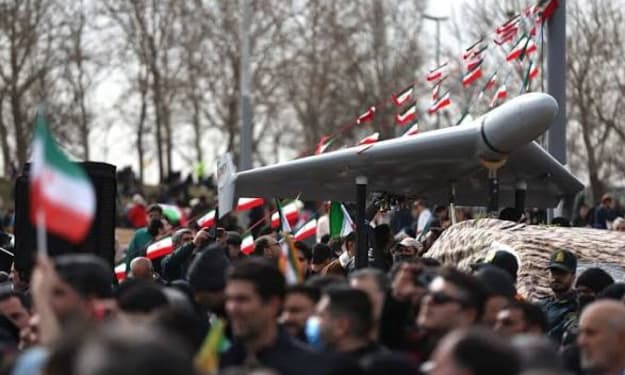
As the conflict between the United States and Iran extends into its second week, U.S. military leaders are confronting an unexpected strategic challenge: Tehran’s arsenal of inexpensive and abundant weapons is chewing through American defensive systems and munitions far faster than planners anticipated. What was expected to be a short, decisive campaign has evolved into a costly war of attrition, illustrating a growing vulnerability in America’s approach to modern warfare. The source of this strain lies in Iran’s reliance on large quantities of drones and ballistic missiles that cost tens of thousands of dollars to build, drastically cheaper than the sophisticated systems the U.S. military must expend to counter them. Iranian forces have launched thousands of such weapons across the Middle East, forcing U.S. forces and their allies to burn through expensive interceptors and defense munitions in order to protect bases, personnel, and infrastructure. Cheap Weapons, Expensive Defenses At the heart of the imbalance are systems like the Iranian Shahed‑series attack drones, which are relatively simple to manufacture — often costing roughly $20,000 to $50,000 each — yet have significant operational range and payload capability. These drones are difficult to detect due to their slow, low‑altitude flight profiles, increasing the burden on radar and air‑defense systems. Meanwhile, U.S. and allied forces often counter such threats with multi‑million‑dollar interceptors like Patriot and THAAD missiles, each costing millions of dollars per shot. This dynamic creates a classic “cost‑exchange ratio” problem: defence systems are repeatedly employed at far greater expense than the weapons they are trying to stop. In modern attrition warfare, this can bleed a technologically superior force dry, even if it remains tactically dominant. Analysts say that such imbalances can force operational and strategic shifts over time, especially when defense production and replenishment capabilities are stretched thin. Rapid Depletion of U.S. Munitions The scale of the consumption has alarmed lawmakers and defense experts alike. Pentagon estimates show that the United States expended around $5.6 billion worth of munitions in just the first 48 hours of military operations against Iran — a staggering figure that highlights how quickly stockpiles of advanced weapons are being consumed. This does not include the price of deploying airframes, vessels, or other high‑value platforms. On Capitol Hill, these figures have prompted urgent questioning about America’s industrial readiness and capacity to sustain a prolonged conflict. Some lawmakers worry that the Pentagon may soon have to request supplemental funding to build munitions at rates that current defence production lines cannot match, potentially diverting resources from other military obligations worldwide. Interceptor Burden and Strategic Stress The strain is felt most acutely in U.S. air and missile defense systems, which are being fired at Iranian drones and missiles almost continuously. While Patriot and THAAD batteries have helped protect personnel and facilities, their use comes at immense cost, and replacements are not instantly available. Even production of these sophisticated interceptors — requiring specialized components and industrial capacity — cannot be significantly accelerated overnight, leading to fears of gaps in defense if stockpiles fall too low. Defense officials have pushed back, insisting that current inventories are sufficient for ongoing operations. However, internal opposition and some closed‑door briefings suggest that confidence is not universal, as commanders must balance conserving interceptors with protecting forces in a fluid combat environment. Iran’s Strategy and U.S. Challenges Iran’s strategy appears to leverage exactly this imbalance. By launching large waves of inexpensive drones and missiles, Tehran forces the United States and its partners to expend far more costly defensive systems — effectively turning its own limited resources into a kind of asymmetric advantage. This mirrors broader trends in modern conflict, where less‑expensive drones and missile technology can impose outsized costs on more technologically advanced militaries. Compounding the problem is Iran’s ballistic missile arsenal, which has also been used to great effect, forcing U.S. and allied air defenses to remain constantly on alert. Intercepting ballistic threats often requires layered defenses, increasing the rate at which expensive interceptors are used. Broader Implications for U.S. Military Strategy The strain caused by Iran’s weaponry is forcing military planners to rethink traditional assumptions about high‑technology dominance. A conflict where quantity — not quality — dictates sustained engagement creates an environment where supply chain resilience, munitions production capacity, and industrial base flexibility become as important as battlefield prowess. Some analysts say the current conflict could be a case study for future confrontations, especially with other potential adversaries that have invested in inexpensive long‑range systems. The U.S. military may need to accelerate development of attritable or lower‑cost defensive systems and diversify supply chains to avoid strategic vulnerabilities. Conclusion: A New Kind of Warfare Iran’s use of cheap, plentiful weaponry has revealed a critical weakness in the U.S. military’s traditional approach to high‑end conflict: that superior firepower does not guarantee sustainability in the face of inexpensive, high‑volume threats. The strain on interceptors, the rapid depletion of munitions, and the rising cost of defense underscore a broader shift in the nature of warfare — one where economical mass deployment can challenge even the most advanced militaries. As the conflict continues, the Pentagon and Congress will be grappling with how to adapt strategy, sustain military readiness, and ensure long‑term defense industrial health in an era defined not just by technological superiority, but by the complex economics of war.
By Fiaz Ahmed a day ago in The Swamp
Hong Kong Authorities Raid Chinese Brokers Citic, Guotai. AI-Generated.
Hong Kong’s financial regulators and law‑enforcement agencies have launched a high‑profile raid on two major Chinese brokerage firms operating in the city, signalling an intensification of scrutiny into the territory’s capital markets. On Tuesday, authorities executed search warrants at the Hong Kong offices of Citic Securities Company Limited and Guotai Junan International Holdings Limited — two of the most prominent Chinese brokers playing key roles in equity capital markets and IPO sponsorships. The raids, confirmed by multiple sources familiar with the situation, underscore growing regulatory pressure on market participants amid a global boom in listings and trading activity. High‑ranking executives were questioned and at least one senior official was taken in for questioning, according to people briefed on the matter. Authorities specifically targeted the equity capital markets divisions of both firms, which oversee share sale transactions, IPO applications and related deal structuring work. While the exact focus of the investigation remains unclear, the move represents one of the most notable enforcement actions in Hong Kong’s financial sector in years. Context: A Financial Hub Under Watchful Eyes Hong Kong’s role as Asia’s premier capital‑raising centre has returned with force over the past year. After being displaced by other global exchanges during market turbulence, the city regained its footing in 2025, attracting a surge of initial public offerings — many from mainland Chinese companies — and surpassing rivals to reclaim the title as the world’s busiest IPO venue. This resurgence has drawn increased attention from regulators concerned about market integrity, disclosure practices and compliance with securities laws. Citic and Guotai Junan have been among several Chinese brokerages deeply involved in this boom, helping several companies take stock public in Hong Kong. Notably, both have acted as sponsors on high‑profile IPOs in logistics, technology and industrial sectors. This enhanced visibility has also brought heightened regulatory expectations, as authorities seek to ensure that brisk market activity does not come at the expense of investor protection or regulatory compliance. The Securities and Futures Commission (SFC), Hong Kong’s chief securities regulator, and the Independent Commission Against Corruption (ICAC) declined to comment on the ongoing actions. Both brokerages also did not immediately respond to requests for comment, leaving market participants and observers waiting for official clarity on the nature of the inquiry. What Regulators Might Be Looking At While authorities have been tight‑lipped about details, analysts and market insiders speculate that the raids could relate to several possible issues: 1. IPO compliance concerns: In recent weeks, the SFC has warned brokerages about substandard IPO applications and documentation, including errors and omissions in prospectuses. Given Citic and Guotai Junan’s roles in sponsoring listings, regulators may be probing whether proper due diligence was performed. 2. Trading irregularities and insider activity: Hong Kong has been vigilant in combating market abuse, and past actions against hedge funds and trading firms indicate authorities have little tolerance for insider trading or coordinated market manipulation. While there is no public allegation of wrongdoing tied to these raids, the focus on key equity divisions raises questions about potential investigations into trade execution or information disclosures. 3. Regulatory compliance standards: As China’s influence in Hong Kong’s markets grows, regulators are determined to maintain international standards of transparency and investor confidence. Ensuring that global investors can trust regulatory enforcement in Hong Kong is crucial to sustaining the exchange’s appeal. Market Reaction and Broader Implications Initial market responses were muted. Shares of both firms showed little immediate sell‑off, reflecting perhaps a wait‑and‑see attitude among investors. However, the broader financial community is watching closely: enforcement actions against major brokers could signal an era of stricter oversight and less tolerance for lapses, especially as Hong Kong competes with New York, London and Shanghai for capital flows. The brokerage industry in Hong Kong has been under pressure of late. Last year, separate cases brought scrutiny to alleged insider trading — including a notable matter involving Segantii Capital Management — and regulators have been clear that market conduct will be a priority. A former Hong Kong stock exchange staffer was charged over bribery linked to an alleged insider trading incident, and warnings about sloppy IPO filings have been publicly issued. Hong Kong’s Balancing Act For decades, Hong Kong has balanced its position between being a vital conduit for Chinese capital markets and maintaining robust regulatory frameworks recognizable to Western investors. This dual role has been central to its success, enabling companies from across Asia to tap global capital. The current raids — especially on influential brokers — highlight the tension inherent in that role: maintaining openness and market depth while enforcing rules that protect investors and uphold confidence. Looking Ahead As the story develops, market watchers anticipate further disclosures that could clarify whether the investigations will result in formal charges or regulatory sanctions. Regardless of outcome, the raids underscore that even the largest financial intermediaries are subject to scrutiny in Hong Kong’s markets — a message that resonates with both domestic and international investors. This incident may signal a new phase in the territory’s financial regulation — one in which authorities are willing to take decisive action against major players to preserve market integrity, even during the busiest period in Hong Kong’s capital market history.
By Fiaz Ahmed 2 days ago in Journal
Germans Protest Against Russia on Paralympic Podium. AI-Generated.
During a medal ceremony at the 2026 Winter Paralympic Games in Milano‑Cortina, Italy, two German cross‑country skiers made a quiet but powerful political statement by turning their backs on Russian gold medalists as the Russian national anthem played on the podium. Their action highlighted deep tensions surrounding the controversial decision to allow Russian athletes to compete under their own flag and with their national symbols for the first time in over a decade. The protest occurred after Russian skier Anastasiia Bagiian and her guide Sergei Siniakin won gold in the women’s sprint classic for vision‑impaired athletes. As the anthem began, German silver medalist Linn Kazmaier and her guide Florian Baumann turned away from the Russian victors, visibly distancing themselves during the podium protocol. Kazmaier explained to German media that their decision was not personal toward the Russian athletes, whom they don’t know, but rather a response to the broader political context. “That it is so totally overshadowed by politics is simply a complete shame,” she said, noting they kept their hats on and refused to face the flag as a sign of protest. This moment reflects wider controversy at the Paralympics over the inclusion of athletes from Russia and Belarus under their own flags and anthems — a departure from bans imposed after Russia’s state‑sponsored doping scandal and subsequent sanctions following its 2022 invasion of Ukraine. Previously, Russian athletes had been barred or required to compete under neutral status; however, the International Paralympic Committee (IPC) lifted those restrictions in late 2025, prompting protests and boycotts. Ahead of the Games, several countries, including Germany, joined a boycott of the opening ceremony in protest of Russia and Belarus being allowed full national representation. Eleven countries along with the European Union chose not to participate in the event as a symbolic stand against the IPC’s decision, although they remained committed to competing in the sporting events themselves. The sight of German athletes turning away on the podium added another layer to that protest, occurring in the midst of competition rather than before it. Baumann emphasized that their gesture was about solidarity with Ukrainian athletes and opposition to what they saw as a decision that diminishes the integrity of international sport. “It’s not about the Russian athletes themselves… but the IPC’s decision to have Russia here under its own flag… while the Ukrainians are also here is simply not correct,” he said. The restart of Russia’s full national presence at the Paralympics represents a significant shift. Russia won its first gold medal at the Winter Paralympics under its own flag since 2014 at these Games, a moment marked by the playing of the Russian national anthem on the podium — a sight not seen at the Paralympics in many years. While the Moscow Times and other outlets celebrated this return, it sparked backlash elsewhere in the Paralympic community and among fans and officials alike. Critics argue that allowing full national symbols validates Russia’s sporting presence despite ongoing geopolitical conflicts and human rights concerns. Supporters of the IPC’s decision counter that excluding athletes penalizes individuals for the actions of their governments. This debate mirrors broader clashes in sport over whether and how to isolate nations during political crises without unfairly impacting athletes. The German protest also echoes a more general trend of political statements at international sporting events. In recent years, athletes and teams have used their platforms to draw attention to global conflicts and social issues, from kneeling protests to symbolic gestures that reverberate well beyond the field of play. The Paralympics, which celebrates courage, resilience and inclusion, has not been immune to these broader tensions. Despite the symbolism, German athlete Kazmaier acknowledged the complexity of the situation, noting that she and her guide could personally have respect for individuals from other nations while still disagreeing with broader political decisions. “Perhaps they are really nice people, whom we could be friends with,” she said, underscoring the distinction between individuals and the political systems they represent. As the Milano‑Cortina Games continue, similar moments may arise, especially as athletes from different countries confront the emotional and political realities tied to the Russian presence. The episode on the podium serves as a reminder that international sport often intersects with global affairs, and that even events meant to bring people together can reflect the fractures of the wider world.
By Fiaz Ahmed 2 days ago in The Swamp